In the world of high-end real estate, we often discuss a home’s "flow." However, when you bridge the precision of professional wedding logistics with luxury property marketing, a more sophisticated concept emerges: Adaptive Hospitality. This isn't just about having a large living room; it is about the Strategic Calibration of a floor plan to function as both an intimate family sanctuary and a high-capacity event venue.
To achieve this, homeowners must implement what I call the "Guest List Filter"—a design philosophy that uses architectural zones to manage different tiers of intimacy and access.
The Architecture of the Guest List Filter 🛡️👥
The Guest List Filter is a method of organizing your home into "zones" that dictate how far a guest can penetrate the private life of the residence. By designing with these filters in mind, you protect your family's Neural Relief while providing an unparalleled experience for visitors.
-
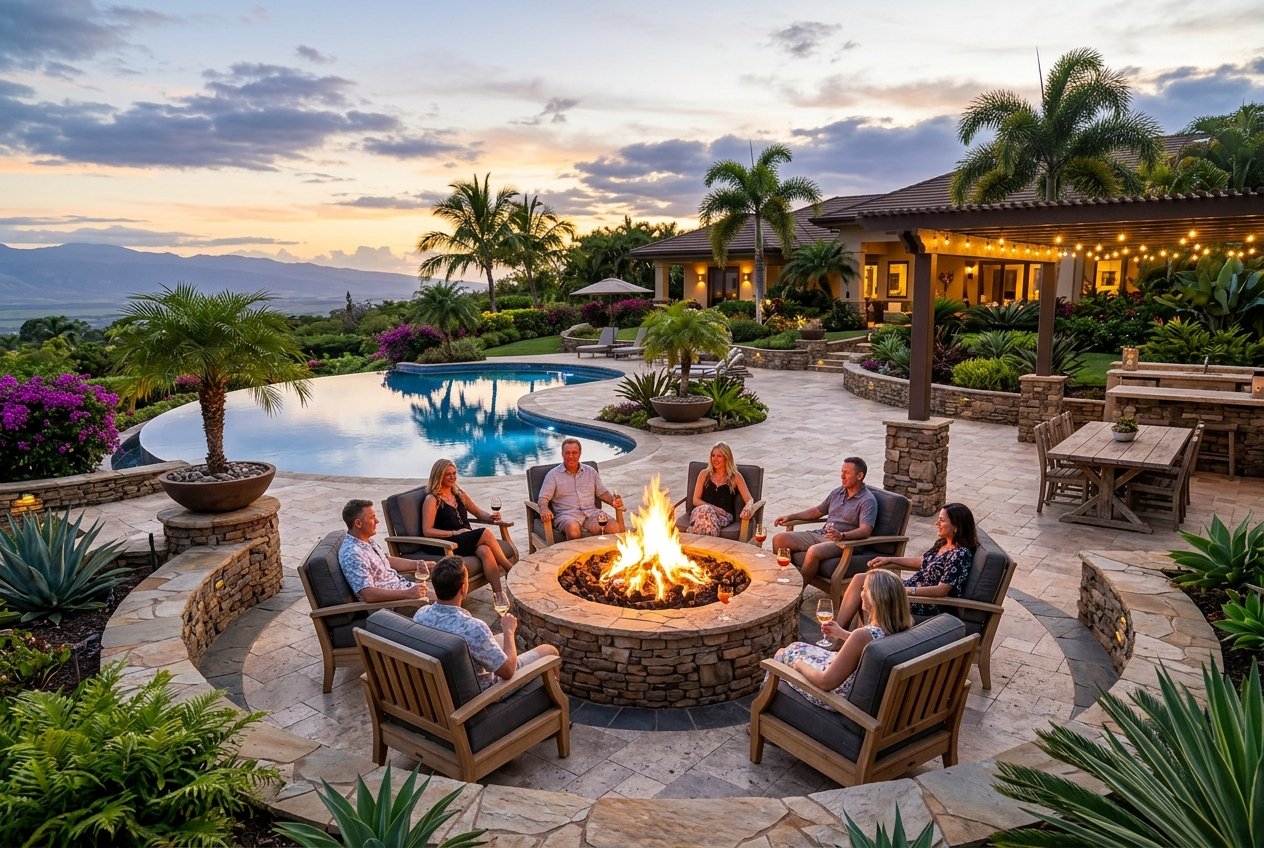
Zone 1: The Public Stage (High Capacity): This is your grand entrance, the formal dining hall, and the primary outdoor oasis. These areas are designed for "resort-style" entertainment, capable of hosting a large guest list without infringing on the home’s core.
-
Zone 2: The Social Buffer (The Transition): This includes the gourmet kitchen and the "wide-path" granite island. These are the hearts of the home where close friends and family gather. For larger events, these function as the "engine room" for professional catering teams.
-
Zone 3: The Private Sanctum (Family Only): The master suite and family living quarters. In a truly adaptive home, these are strategically shielded by "Invisible Quietude" and sound-engineered barriers, ensuring that the private life of the family remains uninterrupted by the event outside.
Spatial Autonomy: The Key to Successful Hosting 🗝️✨
The most common failure in home entertaining is the lack of Spatial Autonomy for guests. Just as in high-end wedding planning, guests feel most comfortable when they know exactly where they are permitted to go and have everything they need within that zone.
-
Detached Versatility: Features like a detached guest casita or ADU provide the ultimate spatial autonomy. It allows guests to retreat to their own private quarters, providing them with the same "Lock-and-Leave" convenience they would expect at a luxury hotel.
-
The "Home-Venue" Flow: An adaptive backyard should be treated as a series of outdoor "rooms." By using synthetic grass for high-traffic event areas and specific lighting layers to guide movement, you dictate the flow of the event mechanically, preventing guests from wandering into private family zones.
Functional Luxury: Designing for Dual-Use 🛠️📈
When we audit a property for Adaptive Hospitality, we look for Functional Luxury—features that serve a dual purpose for daily life and event logistics.
-
The Catering-Ready Kitchen: A kitchen with full-size stainless steel appliances and ample granite counter space isn't just for family enjoyment; it’s a mechanical necessity for event execution.
-
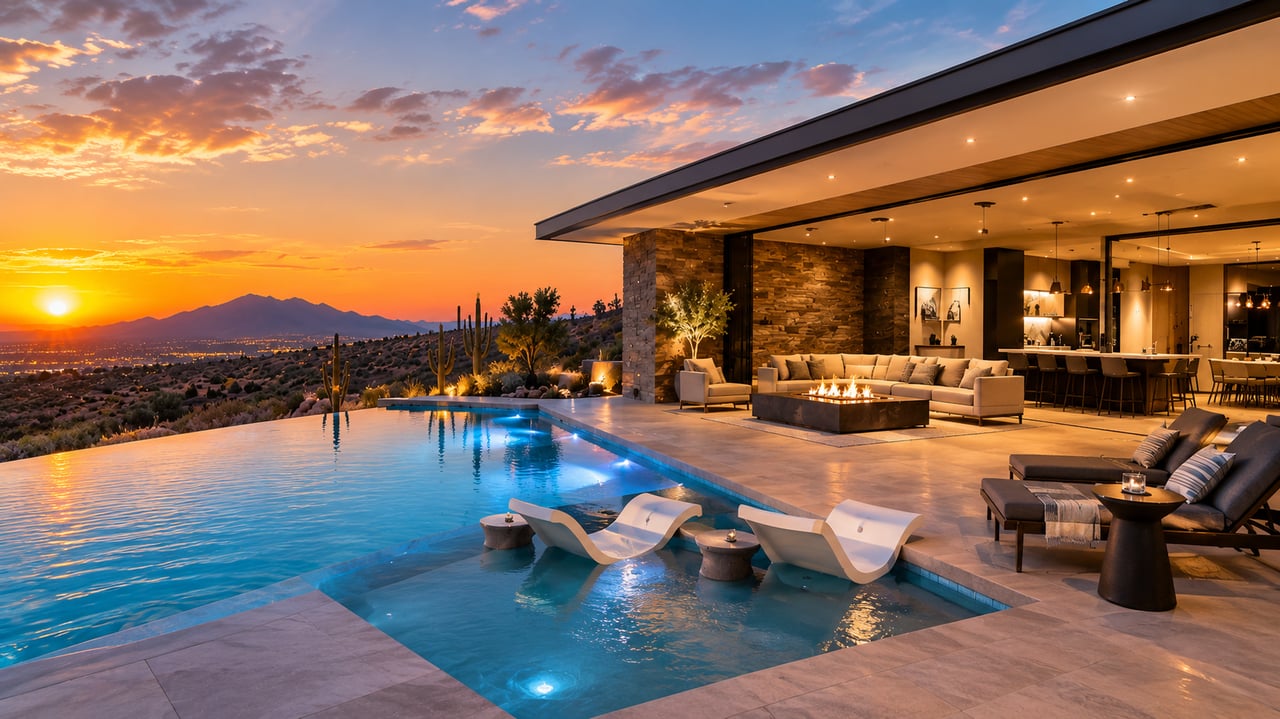
Resort-Style Infrastructure: A heated pool set to a perfect 85°F and professional-grade landscape lighting are not just lifestyle amenities; they are the primary drivers of a property's ROI when it functions as a private venue.
The Strategic Anchor 🏛️⚓
Ultimately, an adaptive home serves as a Legacy Anchor. It is a property that can evolve with your needs—hosting a 200-person gala one weekend and providing a silent, recovery-grade environment for your family the next.
Luxury is no longer about having a big house; it is about having a house that is smart enough to handle the scale of your life.
Is your current floor plan working for you, or against you? Whether you are looking to acquire a home with Adaptive Hospitality or want to audit your current property's hosting potential, let’s connect to build your roadmap to a high-performance home. 📈🥂