When purchasing or selling a standard suburban home, the appraisal process is relatively straightforward. Appraisers look at recent sales of similar homes within the immediate neighborhood—often called "comps"—make minor adjustments for square footage or bedroom counts, and arrive at a definitive market value.
However, when you enter the world of luxury real estate, this traditional formula breaks down.
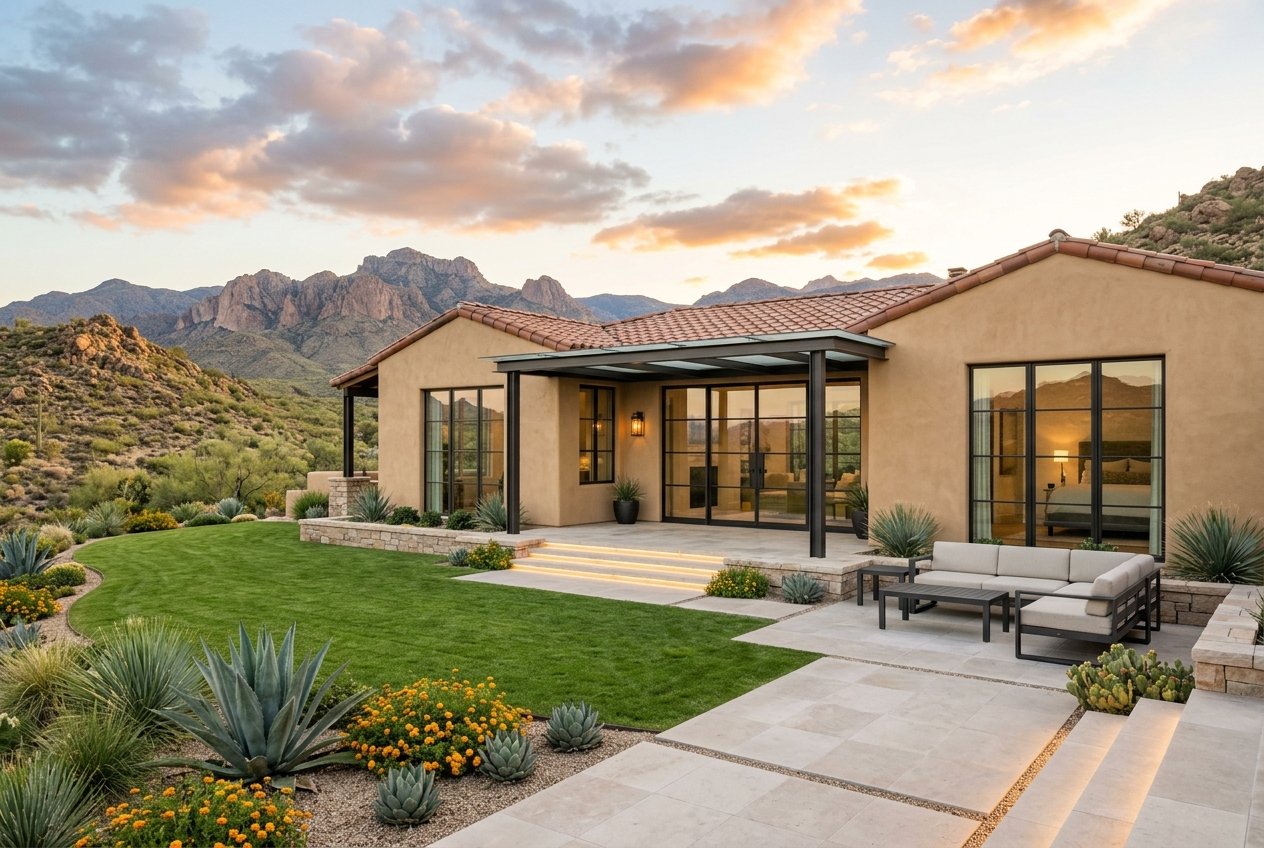
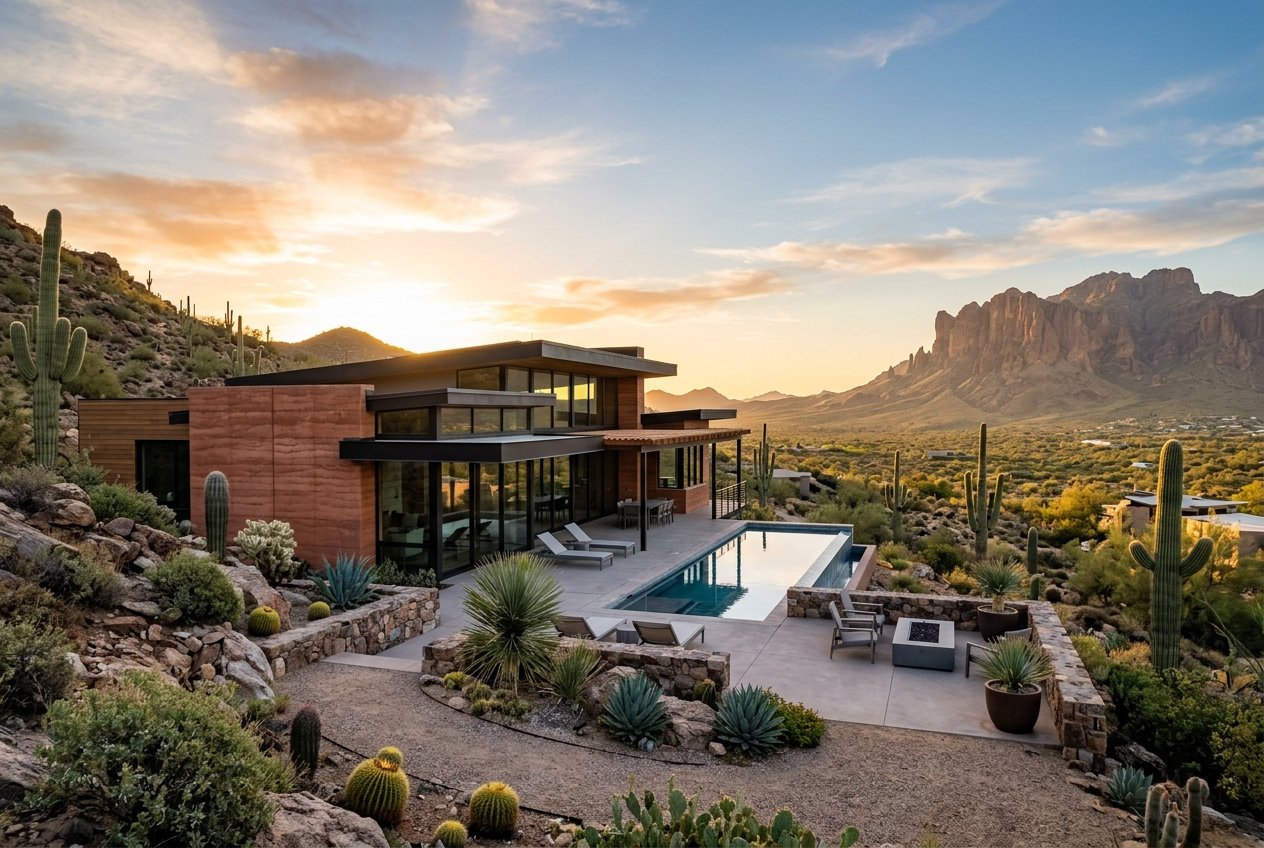
How do you appraise a Frank Lloyd Wright-inspired organic modern estate perched on a hillside in Paradise Valley? How do you value a multi-acre equestrian compound in North Scottsdale with bespoke imported finishes, subterranean wine cellars, and championship tennis courts when no two properties are alike?
Demystifying luxury appraisals reveals a complex, highly specialized discipline where art meets rigorous financial science.
The Challenge of Uniqueness
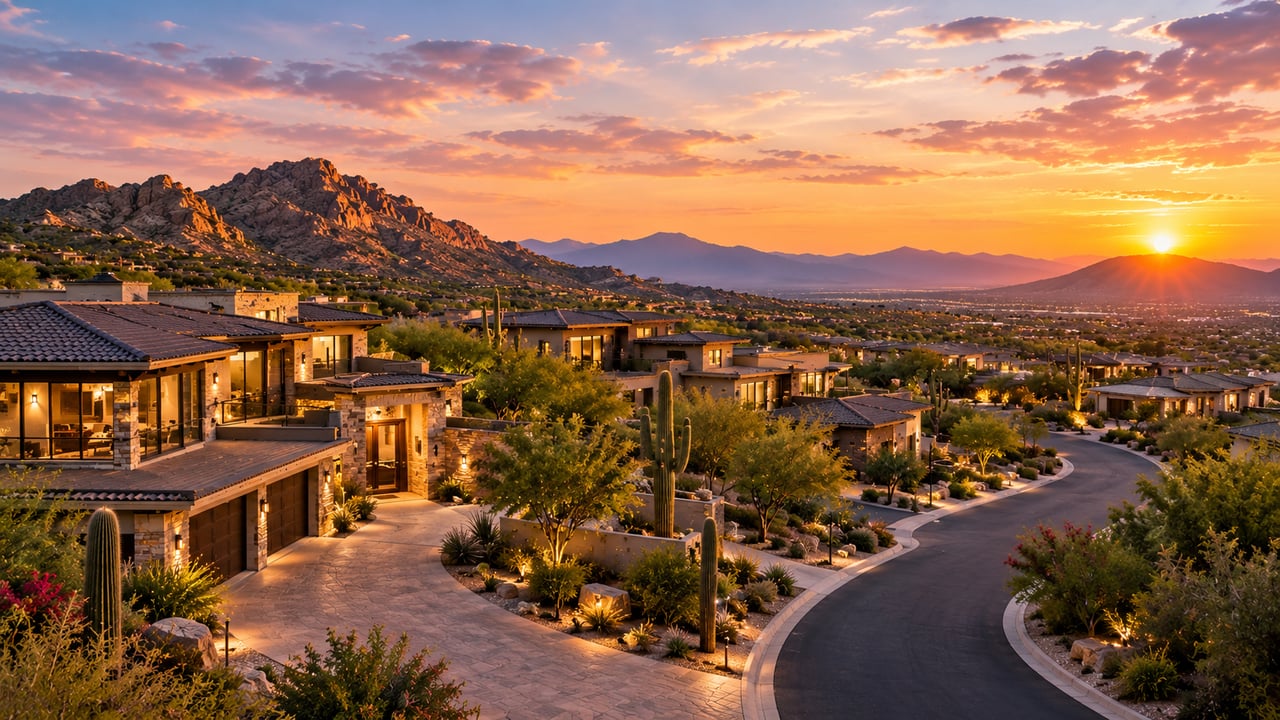
The fundamental dilemma of luxury appraisals is a lack of direct comparability. In tract-housing developments, dozens of identical or near-identical homes trade hands every year, providing a rich pool of data.
In the luxury tier, homes are often custom-built expressions of their owners' tastes. No two custom estates share the exact same floor plan, architectural pedigree, material quality, or panoramic view corridor. Because true "apples-to-apples" comps rarely exist within a one-mile radius, luxury appraisers must act less like data-entry clerks and more like forensic financial investigators.
Key Factors That Drive Luxury Appraisals
When standard comps fall short, certified luxury appraisers expand their analytical scope to evaluate the specific drivers that command high-end values in the Arizona market:
1. Architectural Pedigree and Material Quality
In luxury real estate, construction quality is paramount. Appraisers evaluate the structural bones and finish levels, factoring in:
Bespoke Materials: Imported Italian stones, custom millwork, hand-crafted wrought iron, and specialized roofing materials.
Architectural Signatures: Whether a home carries the name of a renowned architect or builder can heavily influence market desirability and replacement cost.
2. Micro-Location and View Corridors
In the desert Southwest, geography is destiny. Two homes of identical size and build quality can have vastly different valuations based entirely on their micro-location.
Views: A property framing unobstructed views of Camelback Mountain, Mummy Mountain, or sparkling city lights commands a massive premium over a home backing into a major arterial road or utility line.
Elevation & Secrecy: Hillside lots with enhanced privacy, natural rock formations, and gated community security carry distinct weight in valuation models.
3. Resort-Level Amenities and Improvements
The cost to build high-end exterior amenities often exceeds standard construction metrics. Appraisers assess the functional utility and market contribution of:
Infinity-edge pools, customized spas, and subterranean equipment rooms.
Detached guest casitas, professional outdoor kitchens, and climate-controlled sports pavilions.
Integrated smart-home automation, commercial-grade security, and advanced solar or backup generator systems.
4. Replacement Cost Analysis
When recent comparable sales are scarce, appraisers rely heavily on the Cost Approach. This method calculates what it would cost to purchase a similar vacant land parcel in the same luxury enclave today and construct the exact same home from scratch at current labor and material costs, minus depreciation. Given soaring construction costs for custom luxury builds in Arizona, this approach often establishes a strong valuation floor.
Bridging the Gap: The Role of the Elite Real Estate Advisor
Because luxury appraisals carry so much financial weight—often influencing jumbo loan approvals and high-stakes cash negotiations—navigating the appraisal process requires proactive strategy.
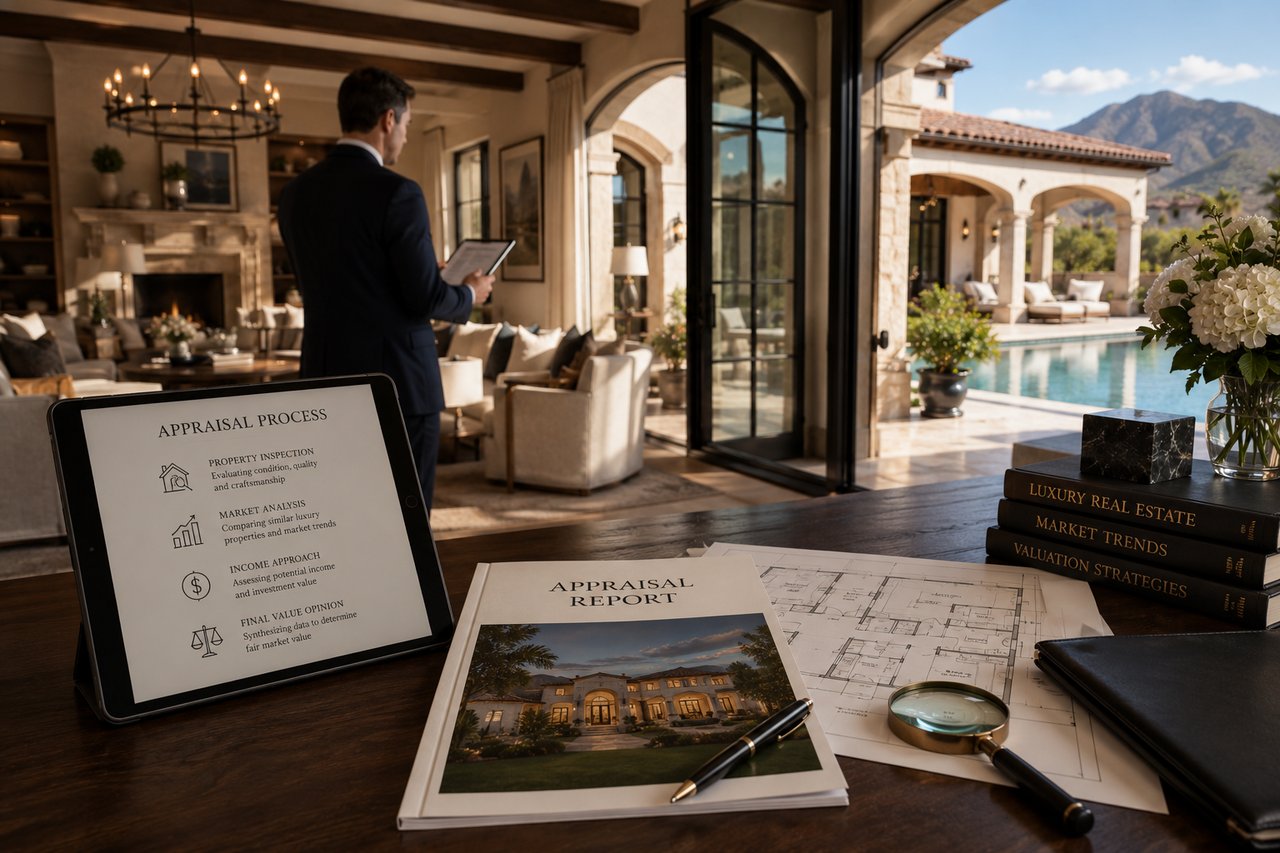
An experienced luxury real estate advisor doesn't just wait for the appraiser's report; they assemble a comprehensive "Appraisal Package" for the appraiser. This package includes verified comparable sales, documentation of custom upgrades, architectural details, and proof of recent high-end market momentum to ensure the property's true value is accurately understood and defended.
Understanding how luxury value is determined empowers buyers and sellers alike, turning an intimidating financial hurdle into a transparent step toward a successful transaction.