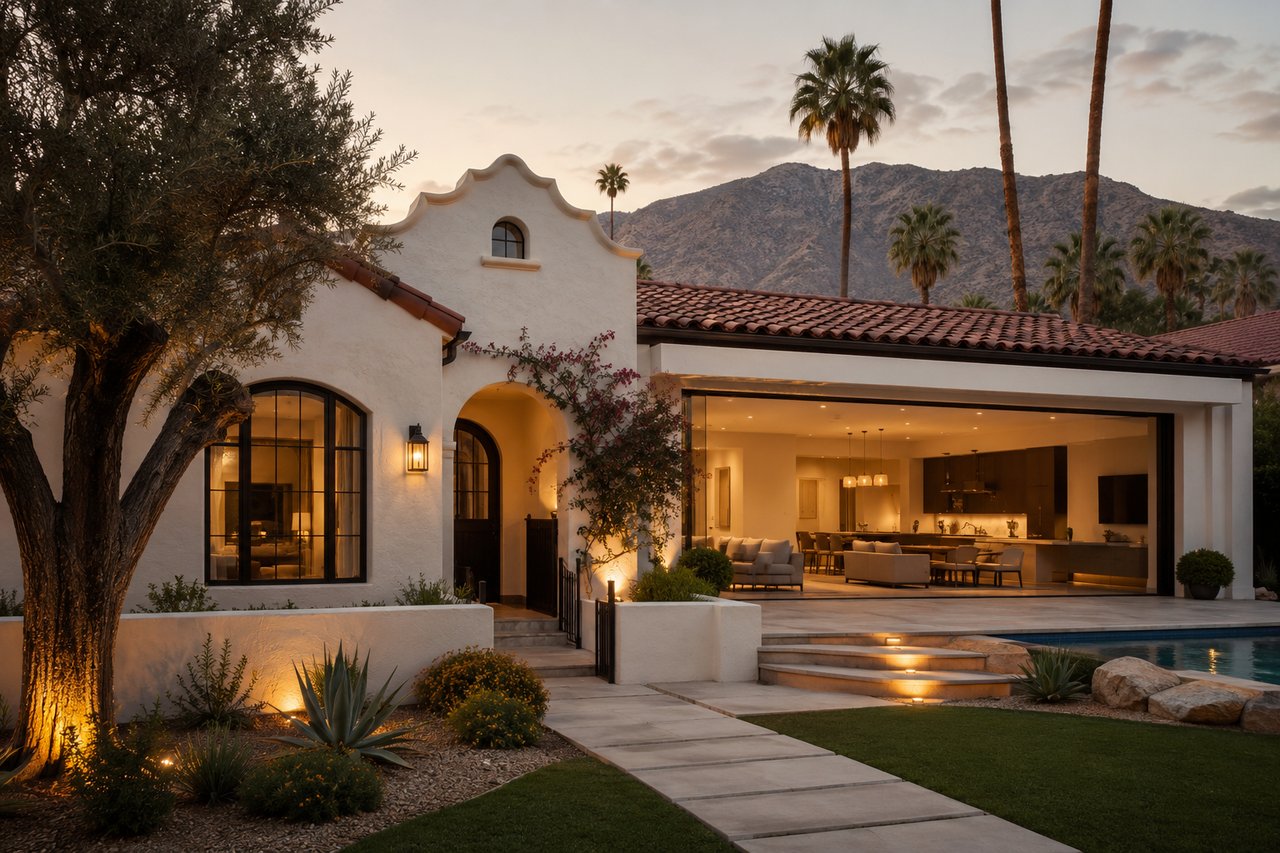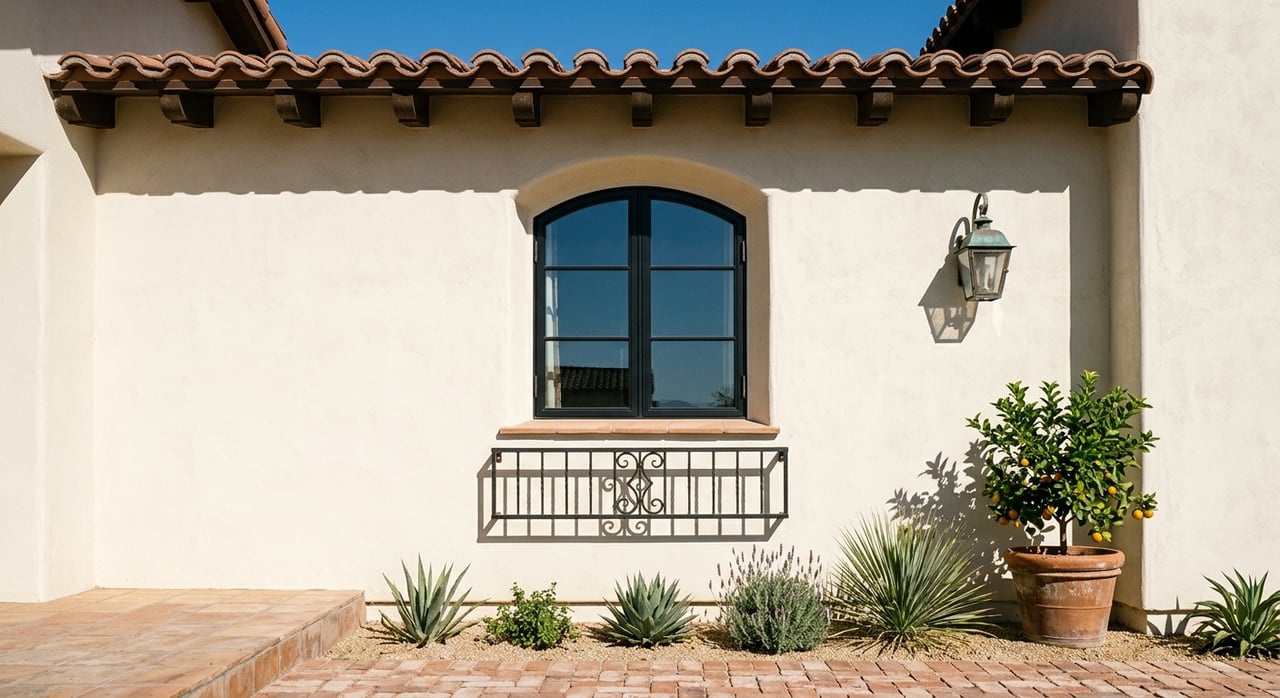
Buying a historic home in central Phoenix can feel exciting right up until you realize it comes with a second layer of rules. If you are drawn to the charm of older architecture in 85003, you also need to understand how historic status can affect renovations, approvals, taxes, and even insurance. The good news is that once you know what to look for, you can make a more confident decision and avoid surprises after closing. Let’s dive in.
What historic status means in Phoenix
In Phoenix, historic status is usually a local zoning overlay, not just a label. The City of Phoenix uses its Historic Property Register to identify protected historic properties and districts, and listing happens through Historic Preservation overlay zoning.
That matters because local historic status can affect what you are allowed to change. Once a property is listed, the city says it is protected from demolition and certain adverse alterations through a special development review process.
It is also important to separate local designation from National Register status. National Register recognition is a different designation, and by itself it does not restrict what a private owner may do under federal law. In Phoenix, the practical impact for most buyers comes from the city’s local historic rules.
Why 85003 buyers should pay attention
For buyers focused on downtown and nearby neighborhoods, historic status is especially relevant. Phoenix’s residential historic districts map shows 36 residential historic districts with Historic Preservation overlay zoning, including Garfield, Roosevelt, and East Evergreen.
These districts are part of the central city’s historic fabric, and each has a different feel. That means “historic home” is not one single category in 85003. The setting, architecture, and future ownership experience can vary quite a bit from one district to another.
Garfield, Roosevelt, and East Evergreen
Garfield developed from 1883 to 1955 and is described by the city as a streetcar neighborhood. Buyers may see Vernacular, Pyramid Cottage, Bungalow, Period Revival, and Ranch homes there, including the city’s largest concentration of Pyramid Cottages.
Roosevelt spans 1897 to 1937 and includes a broad mix of styles such as Queen Anne, Neoclassical Revival, Bungalow, Period Revival, Prairie School, and Moderne. If you want architectural variety close to downtown, Roosevelt often stands out.
East Evergreen is much smaller, with 25 properties and a Bungalow/Craftsman identity. For some buyers, that smaller scale can feel more focused and distinct.
How historic status affects renovations
The biggest difference for most owners is exterior review. Phoenix’s Historic Preservation Office reviews exterior changes to listed properties to make sure the work stays compatible with the property’s historic character.
If your project affects the exterior, you may need either a Certificate of No Effect (CNE) or a Certificate of Appropriateness (COA) as part of the building permit process. This can also apply to infill construction and to changes on non-historic properties located inside a historic district.
Minor work may qualify for an over-the-counter CNE. More complex projects may require a public hearing for a COA, and applicants for a COA must first schedule a pre-application meeting with city staff.
What usually does not need approval
Historic status does not automatically make day-to-day upkeep difficult. According to the city’s FAQ, owners generally do not need permission to paint, make repairs, or replace materials in kind as long as the materials and design are not changed.
The city also does not regulate paint colors. So if you are worried that basic maintenance will become unworkable, that is usually not the issue.
What tends to trigger review
The tradeoff usually comes down to less freedom to alter the exterior in exchange for stronger protection of the district’s character. In practical terms, larger additions, new garages or carports, and highly visible street-facing changes are the types of improvements most likely to trigger review.
Demolition is handled separately. Properties listed on the register require a demolition request, and some eligible historic properties or commercial buildings that are 50 years old or older can be subject to a 30-day demolition hold.
The financial side of buying historic
Historic status can create opportunities, but buyers should be careful not to assume every older home comes with automatic savings. In Phoenix, the key financial benefits depend on the specific program and the property’s eligibility.
Arizona property tax program
The clearest tax benefit is tied to a separate state program, not simply to being in a Phoenix historic district. The Maricopa County Assessor says approved owner-occupied residential historic property can receive an assessment ratio reduction from 10% to 5% under a 15-year agreement.
This program is tied to properties listed in the National Register of Historic Places and meeting maintenance standards. The county also says that work affecting the property’s public appearance must be reviewed by the State Historic Preservation Office, and a new owner should reapply because approval does not automatically transfer.
Federal tax credit limits
Some buyers hear about historic tax credits and assume they can use them for a primary residence remodel. That is not the case here.
The National Park Service says the 20% rehabilitation tax credit is for certified historic structures used for income-producing purposes. Owner-occupied residential properties do not qualify, so if you plan to live in the home, you should not expect the federal historic tax credit to help fund your renovation.
City of Phoenix incentives
Phoenix also offers local support for some historic properties. The city says owners of HP- or HP-L-zoned properties may be eligible for technical and design assistance, educational workshops, the historic district sign program, and financial help through the Historic Preservation Bond Fund.
The city’s exterior rehabilitation program is designed to help residents sensitively rehabilitate historic homes. It applies to exterior work on qualifying historic homes or district properties, but funding is competitive and available amounts can vary from year to year.
Insurance and lending considerations
For many buyers, the real cost question is not the historic label alone. It is the age and condition of the home.
Older homes can cost more to insure and may need updates to heating, plumbing, wiring, or roofing. Older or historic materials can also be harder to replace, which may affect coverage terms or replacement-cost assumptions.
Lenders typically require homeowner’s insurance as a condition of the loan. That is why it is smart to get insurance quotes early, especially if the home has older systems or unique construction details.
What to check before you make an offer
If you are comparing a historic home with a newer property in 85003, your due diligence should go deeper than finishes and floor plan. A historic property often comes with more oversight, but it may also come with access to programs and protections that newer homes do not have.
Use this checklist before you move forward:
- Confirm whether the property is individually listed, located inside a historic district, or subject to HP or HP-L zoning.
- Ask early whether your planned exterior work would need a CNE, a COA, or demolition review.
- Get insurance quotes before removing contingencies, and ask how older systems or special materials affect policy terms.
- Verify whether the property may qualify for the Arizona historic property tax program or any current city incentive.
What historic buying really means
A historic home in Phoenix is not just an older house with charm. In many cases, it is a property with a more structured path for future changes, more review of exterior work, and a different set of financial questions than a newer home.
For the right buyer, that can be a worthwhile trade. If you value architectural character, district continuity, and a more protected streetscape, historic status may feel like a benefit rather than a burden.
The key is going in with clear expectations. When you understand the rules before you buy, you are in a much better position to choose the right property and plan for ownership with confidence.
If you are weighing a historic purchase in Phoenix and want clear, hands-on guidance through the details, connect with Sacha Blanchet Fine Homes for a personalized consultation.
FAQs
What does historic status mean for a home in Phoenix 85003?
- In Phoenix, historic status usually means the property is subject to local Historic Preservation overlay zoning, which can affect demolition and exterior changes through a city review process.
Do Phoenix historic homes require approval for all repairs?
- No. The city says owners generally do not need permission for painting, repairs, or replacing materials in kind as long as the materials and design are not changed.
What exterior changes may trigger review in a Phoenix historic district?
- Larger additions, new garages or carports, infill construction, and highly visible street-facing exterior changes are among the projects most likely to require review.
Do owner-occupied historic homes in Phoenix qualify for the federal rehabilitation tax credit?
- No. The federal 20% rehabilitation tax credit applies to certified historic structures used for income-producing purposes, not owner-occupied primary residences.
Can a buyer get a tax benefit for a historic home in Maricopa County?
- Possibly. Approved owner-occupied residential historic properties listed in the National Register of Historic Places may qualify for Arizona’s historic property tax program, which reduces the assessment ratio from 10% to 5% under a 15-year agreement.
Why should Phoenix buyers get insurance quotes early on historic homes?
- Older homes may cost more to insure and may involve different coverage terms because of aging systems or harder-to-replace materials, so early quotes can help you avoid surprises before closing.