When navigating the luxury real estate landscape, property tours are frequently focused on the tangible components of an asset—the layout, the premium materials, and the high-end appliances. Yet, one of the most critical structural elements of a home is completely invisible when reading a property listing: the quality, direction, and movement of its natural light.
Natural light is a foundational element of spatial wellness. It dictates the mood of a room, determines how interior color palettes render, and directly influences our daily circadian rhythms. A beautifully designed space can feel cold, compressed, and uninviting if it is starved of solar exposure. Conversely, an abundance of poorly calibrated, blinding sunlight can turn a room into an uncomfortable greenhouse.
When analyzing a potential property, you must look beyond the immediate staging and actively evaluate how light interacts with the home's architecture. Here is your strategic guide to assessing natural light during your next home tour.
1. Decode the Compass: Master the Logistics of Orientation
The cardinal direction a home faces dictates the baseline behavior of the sun across its interiors throughout the entire year. Understanding this orientation allows you to anticipate exactly how a room will perform, even if you are touring it for just thirty minutes.
-
The Blueprint:
-
South-Facing Exposure: The gold standard for consistent illumination. South-facing windows receive sustained, warm light all day long, making these rooms feel naturally expansive, bright, and cheerful from sunrise to sunset.
-
North-Facing Exposure: This orientation yields an exceptionally soft, cool, and diffused light that remains highly consistent throughout the day. Because it lacks harsh directional rays, north light produces virtually no glare or dramatic shadows—making it the ideal choice for art studios, executive home offices, and galleries.
-
East-Facing Exposure: Perfect for early risers. East-facing rooms are flooded with brilliant, bright light first thing in the morning, which quickly tapers off into a cooler shade by midday.
-
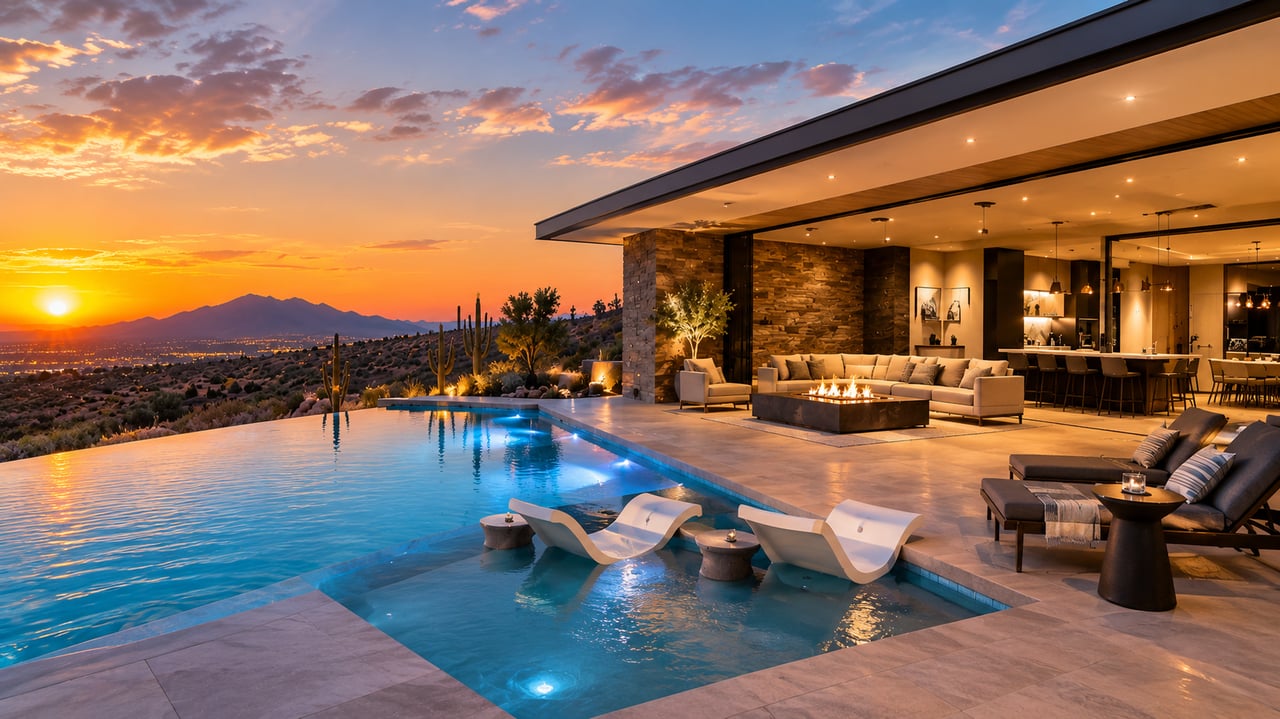
West-Facing Exposure: This orientation captures the intense, golden light of the late afternoon. While beautiful for sunset viewing, west-facing rooms can suffer from extreme solar heat gain and harsh glare, requiring sophisticated window treatments to manage.
-
2. Evaluate Window Geometry and Placement
The total volume of light a room receives is structurally limited by its fenestration—the arrangement, proportion, and design of its windows. When touring a home, analyze how the glass elements are integrated into the walls.
-
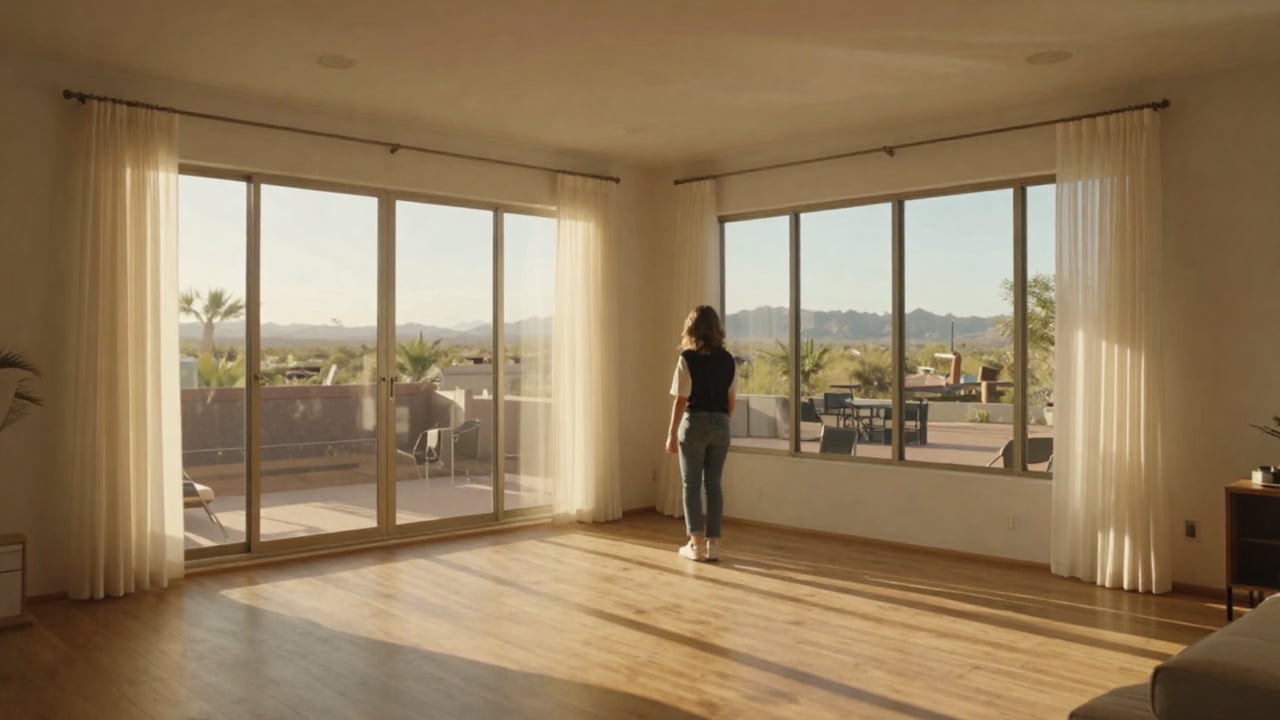
The Inspection Strategy: Look for high-performance architectural details. Floor-to-ceiling glass panels and oversized picture windows dissolve boundaries, seamlessly blending the interior with the surrounding landscape. Pay close attention to the vertical height of the windows; window tops that sit closer to the ceiling allow light to penetrate much deeper into the core of the house.
-
The Spatial Return: Skylights, clerestory windows, and transoms are incredibly high-value assets. They introduce crucial daylight into deep interior zones—like hallways, walk-in closets, and powder rooms—that would otherwise be entirely dependent on artificial lighting circuits.
3. Account for Exterior Obstructions and Environmental Landscaping
A home can possess massive windows and perfect southern exposure, yet still remain dark if its exterior surroundings are poorly managed. The environment immediately outside the glass acts as a permanent physical filter for your indoor light.
-
The Inspection Strategy: Step up to the windows and look directly outside. Are neighboring structures built too close, entirely clipping the low winter sun? Are dense, mature evergreen trees casting heavy, permanent shadows across the living room?
-
The Seasonal Calibration: Pay attention to deciduous trees versus evergreens. Deciduous trees provide a brilliant natural design solution: they offer lush, protective shade to cool the home during intense summer months, then drop their leaves in the winter to allow precious sunlight to flood in and warm the interiors.
4. Observe the Depth of Light Penetration
A common illusion during home tours is mistaking surface-level brightness for a genuinely light-filled structure. A room may look bright near the window glass, but you must assess how far that light actually travels into the interior living zones.
-
The Inspection Strategy: Intentionally walk to the furthest interior walls of the main living spaces. Does the daylight die out halfway through the room, leaving the kitchen island or dining alcove in deep shadow? Open-concept floor plans with clear, uninterrupted sightlines are highly efficient at distributing natural light evenly throughout the property footprint.
-
The Layout Analysis: Look for architectural elements that promote indoor-outdoor fluidity. Dual-aspect rooms—spaces with windows on two or more opposing walls—are premier design assets because they cross-pollinate light from different angles, completely eliminating harsh shadows and dark corners.
5. Audit the Home's Reflective Surfaces and Interior Canvas
How a home responds to natural light is deeply intertwined with its interior design choices. The existing color scheme, finishes, and architectural materials can either amplify or completely absorb the available daylight.
-
The Inspection Strategy: Notice the sheen of the paint and the materials of the flooring. Dark, matte walls and heavy carpeting absorb light rays, making a space feel smaller and more enclosed. Conversely, light hardwood floors, polished stone countertops, and soft, satin-finish walls act as natural reflectors, bouncing light deeper into the space.
-
The Renovation Potential: If you find a home with an exceptional location and structural layout that feels slightly dim, evaluate if simple aesthetic updates can fix it. Swapping out dark cabinetry, painting walls a crisp white, or adding strategically positioned mirrors can instantly double the perceived natural illumination of the property.
Securing an Environment Built to Thrive
Natural light is a non-negotiable component of a high-performance luxury asset. It cannot be easily retrofitted or renovated into a property after the fact. By systematically evaluating compass orientation, window architecture, and light penetration during your initial tours, you ensure your next investment serves as a vibrant, light-filled anchor for your lifestyle.
Are you preparing to tour potential properties? Download a simple compass app onto your phone before your next showing, and trace the path of the sun to discover the true structural health of your future home. 🥂⚓