If you have ever wondered why Paradise Valley homes feel so distinct, the answer goes beyond square footage or finish level. In this part of the Valley, architecture is closely tied to privacy, views, outdoor living, and the rhythms of the Sonoran Desert. When you understand the styles that shape Paradise Valley, you can better match a home to the way you actually want to live. Let’s dive in.
Why Paradise Valley Homes Feel Different
Paradise Valley developed with a very specific residential identity. After World War II, settlement expanded across large parcels, and the town later incorporated in 1961 with the goal of preserving a rural lifestyle. That long-standing approach still shows up today in the town’s primarily single-family zoning and its one-acre residential pattern.
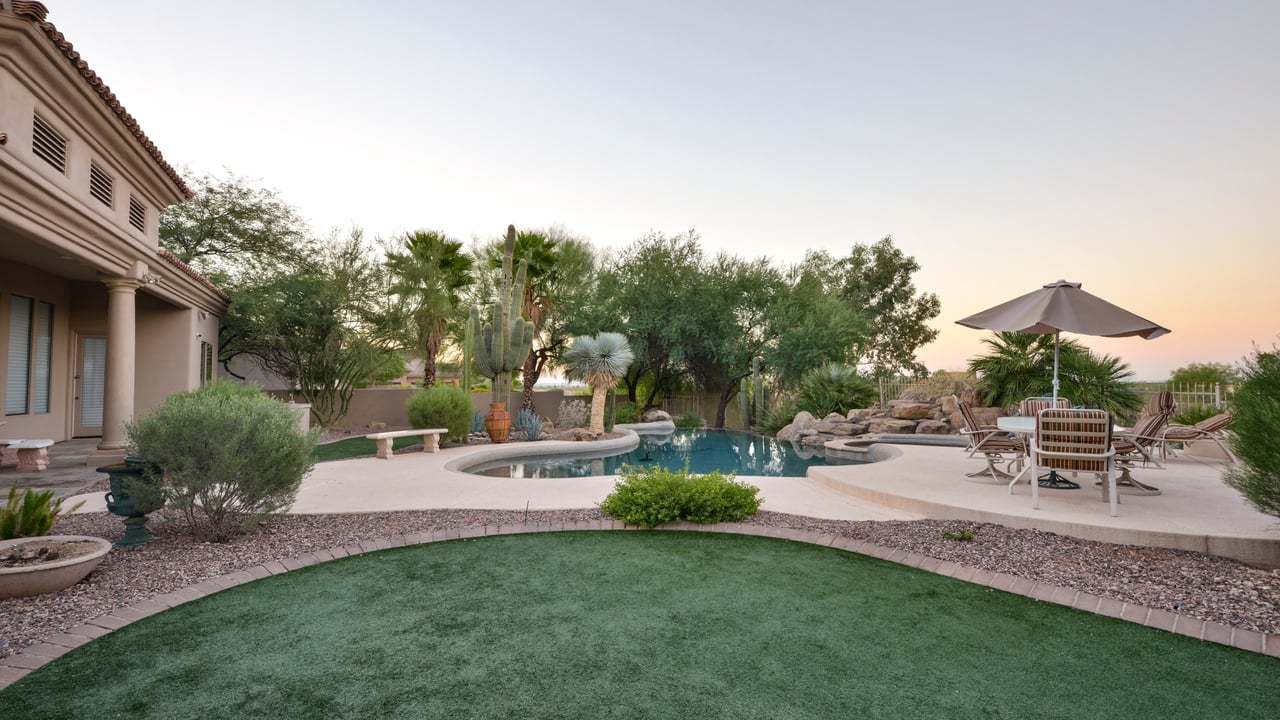
That planning framework matters because it affects how homes sit on the land. Instead of tightly packed lots and streetscapes, you often see homes that read more like private compounds or estates. The setting leaves room for courtyards, pools, gardens, shaded terraces, and long view corridors toward the mountains.
The town’s design priorities also shape the look and feel of the built environment. Paradise Valley emphasizes mountain views, dark skies, open space, natural features, and design that responds to the Sonoran Desert climate. With about 294 sunny days a year and very low annual rainfall, outdoor living is not just a nice extra here. It is part of daily life.
Paradise Valley Architecture at a Glance
Paradise Valley does not revolve around one single design language. Instead, a few architectural styles appear again and again, each with its own lifestyle appeal. The common thread is how each one handles light, privacy, scale, and connection to the outdoors.
| Style | What It Often Feels Like | Lifestyle Fit |
|---|---|---|
| Contemporary desert | Open, bright, view-focused | Casual entertaining, privacy, indoor-outdoor flow |
| Classic ranch | Relaxed, low-profile, easy to navigate | Single-level living, informal daily routines |
| Mediterranean-inspired estate | Layered, formal, resort-like | Sense of arrival, framed outdoor rooms, polished entertaining |
Contemporary Desert Style
What Defines Contemporary Desert Homes
Contemporary desert homes in Paradise Valley often put views, light, and clean flow first. This style aligns with core ideas from the region’s desert modern tradition, including open floor plans, strong natural light, and design that responds to the climate. Operable walls, multiple patios, and broad expanses of glass all support that connection between inside and out.
In practical terms, this can create a house that feels calm and uncluttered. Living, dining, and kitchen spaces often work together rather than feeling boxed off. The landscape becomes part of the interior experience, especially when terraces and patios function like true living spaces.
The Lifestyle Behind the Look
If you enjoy a home that feels open without feeling exposed, contemporary desert design can be a strong fit. In Paradise Valley, large lots and view-conscious planning help this style feel especially natural. The house can stay visually quiet while still giving you dramatic scenery, daylight, and privacy.
This style often appeals to buyers who want ease over ornament. It supports casual entertaining, flexible everyday use, and a strong connection to the outdoors. Rather than focusing on decorative detail, it tends to let light, materials, and the mountain setting do the work.
Classic Ranch Style
Why Ranch Matters in Paradise Valley
Ranch homes are deeply tied to Paradise Valley’s postwar roots. The town’s own history notes that modest ranch-style homes appeared on one- to five-acre parcels during the postwar years. Even though many older homes were later replaced, ranch remains a foundational part of the area’s architectural story.
National Park Service guidance describes the ranch house as one story, long and rambling, with low-pitched roofs, large picture windows, and sliding glass doors that open to patios or decks. Those traits still help explain why ranch design feels so natural in Paradise Valley. The style sits low on the lot and often creates a softer visual presence.
The Lifestyle Behind the Ranch
Ranch homes are usually about comfort and circulation. They tend to support an informal layout, with easy movement between living areas and direct access to the yard. That can make everyday life feel straightforward and relaxed.
In Paradise Valley, where lot sizes are already generous, ranch homes often feel spacious without trying to feel grand. For some buyers, that is the draw. You may prefer a home that feels grounded, single-level, and easy to live in rather than highly formal or theatrical.
Mediterranean-Inspired Estates
What Defines Mediterranean-Inspired Design
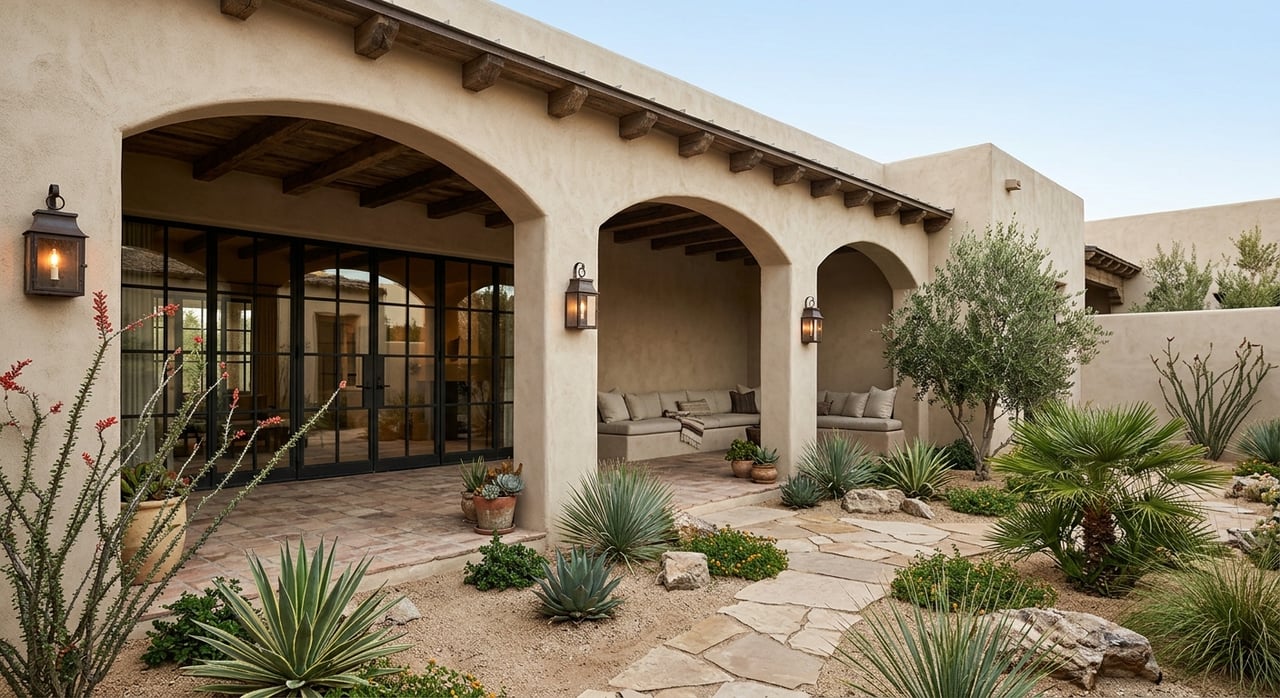
Mediterranean-inspired estates draw from Spanish, Italian, and broader Mediterranean precedents. Common features include stucco exteriors, clay-tile roofs, arches, courtyards, loggias, shaped parapets, and decorative ironwork or tile. Historically, the style was also used to project a resort image, which helps explain why it feels so at home in a place like Paradise Valley.
This style often brings a stronger sense of structure to both the house and the outdoor areas. Entries may feel more pronounced, courtyards more intentional, and patios more architecturally framed. Even before you step inside, the home can create a clear sense of arrival.
The Lifestyle Behind the Estate Feel
Mediterranean-inspired estates usually suit buyers who want a more layered and polished experience. The spaces often feel designed for both privacy and presentation. You may have separate outdoor rooms, framed gathering spaces, and a layout that supports entertaining with a little more rhythm and ceremony.
That does not mean the homes feel stiff. In Paradise Valley, this style often blends formal architectural cues with a strong resort sensibility. If you want your home to feel secluded, refined, and well suited to hosting, this look may speak to you.
Outdoor Living Is the Constant
No matter which style you prefer, outdoor living is the real throughline in Paradise Valley architecture. The town has long prioritized tranquility, open space, mountain views, dark skies, and natural features. Its planning goals also support restoration of natural washes and wildlife corridors, reinforcing the idea that homes should work with the setting rather than overpower it.
That is why exterior spaces carry so much weight here. Patios, pools, courtyards, shaded terraces, and landscape design are not secondary features. In many Paradise Valley homes, they are central to how the property lives day to day.
The style may change, but the goal is often similar. You want a home that gives you room to breathe, easy access to light and air, and a private place to enjoy the desert environment. In Paradise Valley, architecture and lifestyle are closely linked because the land, climate, and planning framework push them together.
How to Think About Style as a Buyer
When you tour homes in Paradise Valley, it helps to look past labels and ask how a property actually supports your routine. A contemporary desert home may offer the flexibility and openness you want for modern living. A ranch may give you the simplicity of single-level comfort and a quieter relationship to the site.
A Mediterranean-inspired estate may offer more formality, stronger separation of spaces, and a resort-like sense of arrival. None of these styles is automatically better than another. The best fit depends on how you want to live, entertain, relax, and use the outdoor space.
A smart search in Paradise Valley is often about matching architecture to lifestyle priorities such as:
- Privacy on the lot
- Indoor-outdoor flow
- Single-level versus more segmented living
- Framed entertaining areas
- Mountain view orientation
- How much formality you want in the home’s layout and presentation
Why Local Guidance Matters
In a market like Paradise Valley, two homes with similar price points can live very differently because of lot placement, architectural style, and outdoor design. That is why local perspective matters. Understanding the town’s one-acre pattern, low-density character, and climate-responsive design priorities can help you evaluate a property beyond surface finishes.
If you are buying or selling in Paradise Valley, it helps to work with a team that understands both the luxury market and how these homes function in real life. At Sacha Blanchet Fine Homes, you get polished guidance, strong local knowledge, and a high-touch approach tailored to the way luxury properties are actually lived in and presented.
FAQs
What architectural styles are common in Paradise Valley homes?
- Paradise Valley homes often reflect contemporary desert design, classic ranch style, and Mediterranean-inspired estate architecture, with outdoor living as a shared theme.
Why do Paradise Valley homes emphasize outdoor living?
- Paradise Valley’s sunny, dry climate, large residential parcels, and town priorities around open space, mountain views, and desert-responsive design make patios, pools, courtyards, and shaded terraces central to daily living.
What makes contemporary desert homes popular in Paradise Valley?
- Contemporary desert homes often appeal to buyers who want open floor plans, strong natural light, privacy, and a seamless connection between interior spaces and the surrounding landscape.
How do ranch homes fit the Paradise Valley lifestyle?
- Ranch homes connect well to Paradise Valley because they are typically single-level, informal, and easy to navigate, with direct access to outdoor areas and a lower-profile presence on large lots.
What is the appeal of Mediterranean-inspired estates in Paradise Valley?
- Mediterranean-inspired estates often attract buyers who want a more formal sense of arrival, layered outdoor rooms, privacy, and a resort-like setting for everyday living and entertaining.
How should you evaluate architecture when buying in Paradise Valley?
- Instead of focusing only on style labels, look at how the home handles privacy, views, layout, indoor-outdoor flow, and the way it uses the lot and desert setting.