When preparing a luxury property for the market, homeowners often assume that the most expensive upgrades yield the highest financial return. However, empirical data from annual industry benchmarks—such as the Cost vs. Value reports—tells a different story. In high-end real estate, the most costly overhauls do not automatically translate to a dollar-for-dollar increase in sale price.
Discerning buyers evaluate properties through a lens of sophistication, timeless design, and immediate move-in readiness. Understanding which renovations genuinely move the needle—and which ones simply drain capital—is the key to maximizing your net proceeds at the closing table.
1. Curb Appeal and Exterior Enhancements Reign Supreme
It is a golden rule in luxury real estate: first impressions set the entire valuation tone. Data consistently shows that exterior replacement projects and architectural touch-ups yield the highest percentage of cost recouped.
Manufactured Stone Veneer & Architectural Siding: Upgrading exterior facades with high-end stone veneer or durable, premium siding consistently ranks at the top for return on investment, often recouping well over 100% of its initial cost.
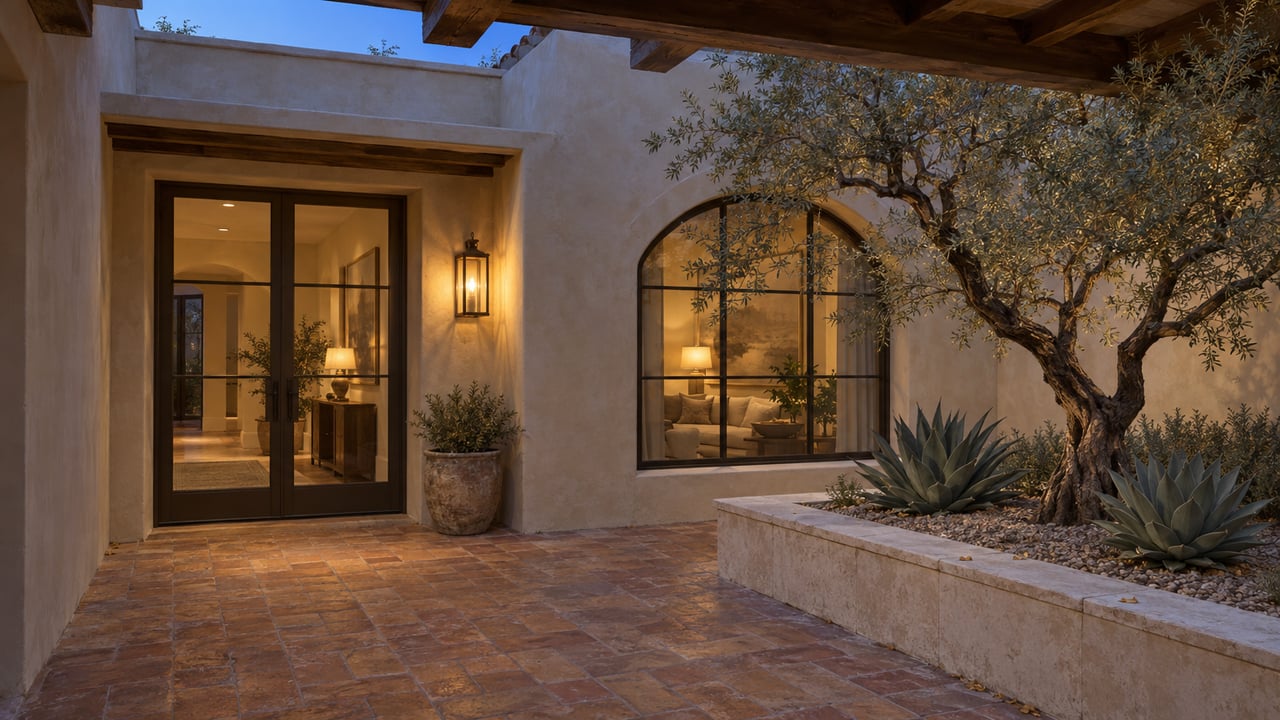
Grand Entrances: Investing in a custom, architectural-grade entry door or iron-work double front doors instantly elevates a luxury facade, signaling quality and meticulous craftsmanship the moment a buyer pulls into the drive.
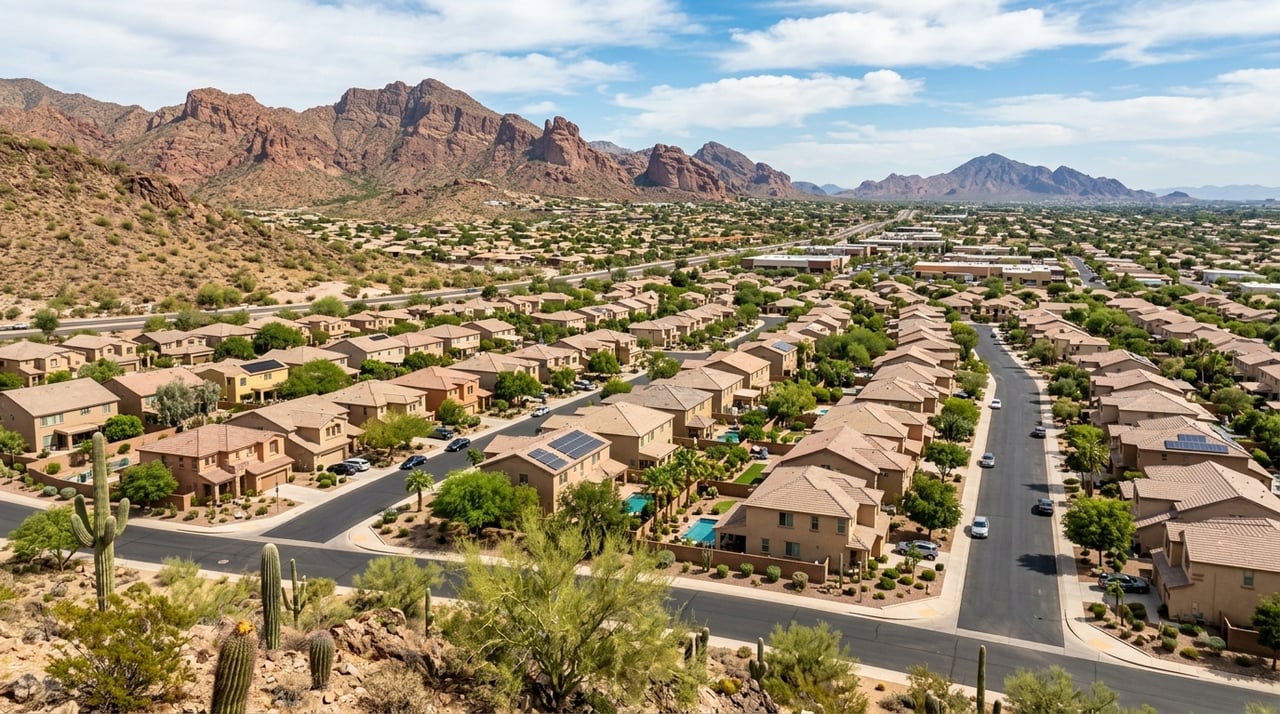
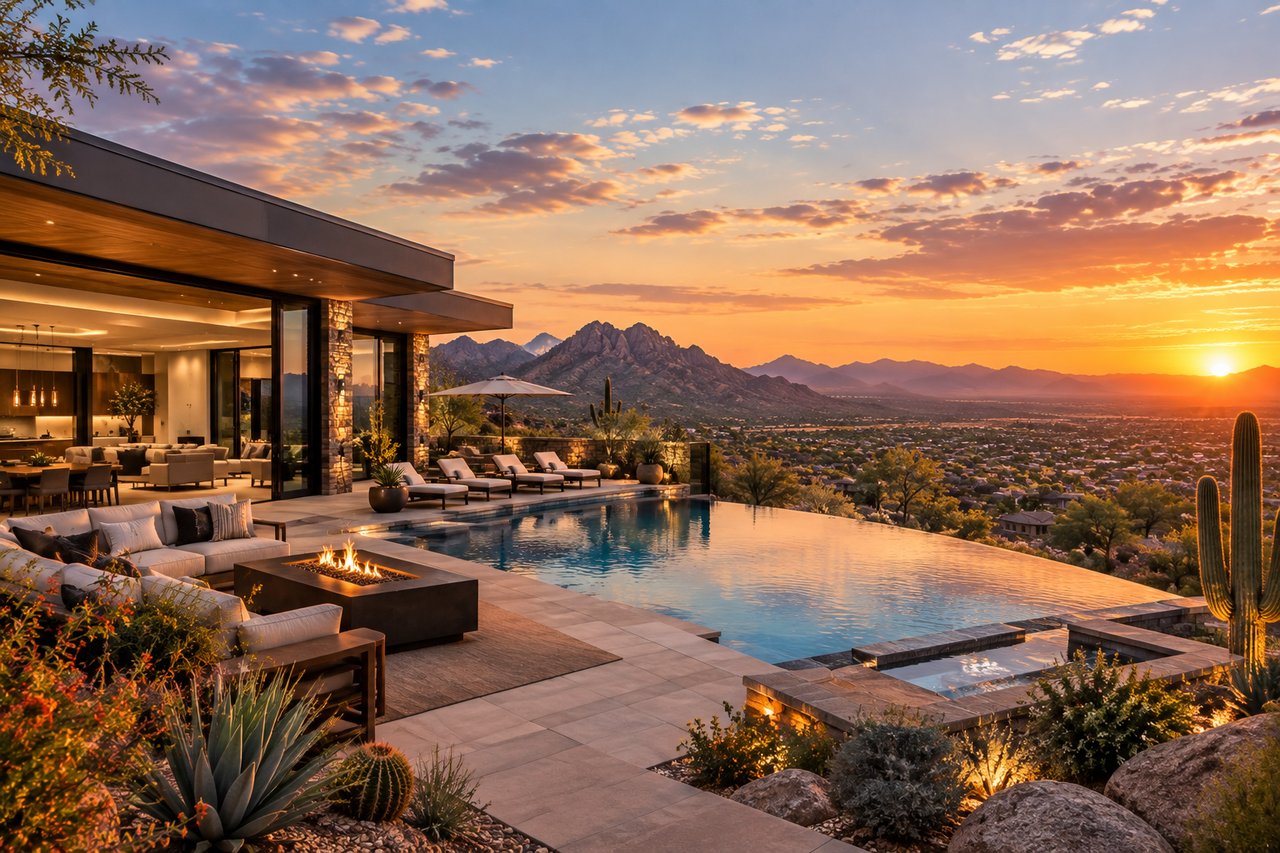
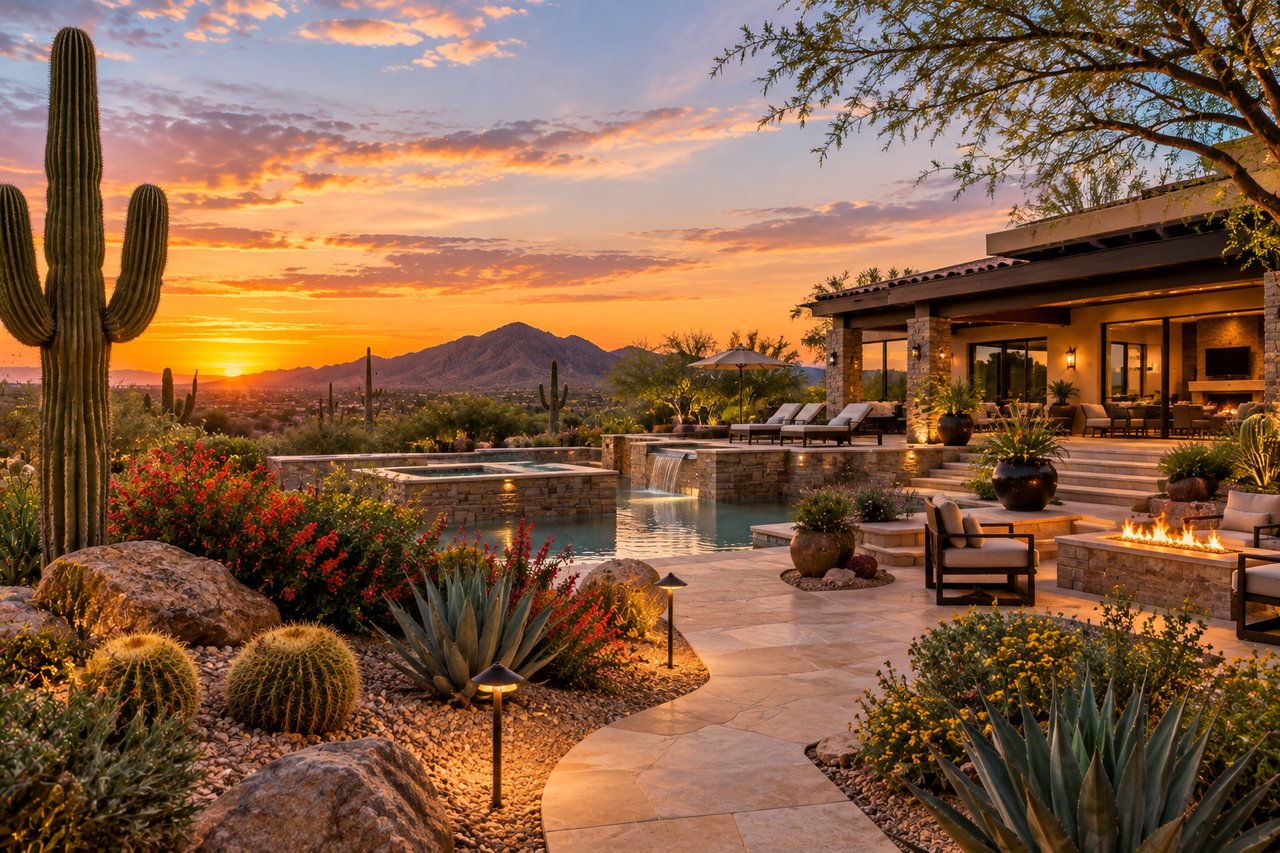
Landscaping and Outdoor Lighting: In prime markets like the Valley, professional desert landscaping, mature plantings, and layered architectural lighting transform an exterior into a resort-style sanctuary that commands top-tier offers.
2. Strategic Kitchen Updates vs. Over-Customization
The kitchen is universally considered the heart of the home, but the scale of your remodel dictates its financial return.
The Power of the Minor Remodel: A strategic, midrange minor kitchen remodel—focusing on refacing or replacing cabinet doors, upgrading countertops to high-end quartz or quartzite, installing contemporary hardware, and integrating professional-grade appliances—delivers a remarkably strong return on investment (often exceeding 100%).
The Pitfall of Hyper-Custom Major Remodels: Conversely, major upscale kitchen overhauls costing deep into six figures often see significantly lower percentage returns. Why? Because ultra-custom layouts, highly specialized finishes, or niche chef preferences can lean too subjective, running the risk that a buyer will want to alter them to their own taste.
3. Refined Bathroom Updates Over Sprawling Additions
Luxury buyers expect pristine, spa-like bathrooms, but adding square footage rarely pays off as well as updating what is already there.
Midrange & Surface Refinement: Updating vanity surfaces, swapping dated fixtures for modern brushed brass or matte black hardware, frameless glass showers, and contemporary lighting offers a high-impact visual refresh without massive structural costs.
The Diminishing Returns of Luxury Additions: Sprawling primary suite expansions or upscale luxury bathroom additions carry massive price tags that rarely translate into an equivalent jump in appraised market value. Keep the footprint efficient, pristine, and design-forward.
The Bottom Line
When investing in pre-sale renovations for a luxury property, the goal is not to reinvent the home, but to eliminate buyer objections and highlight structural and aesthetic excellence. Focusing your capital on high-impact curb appeal and smart, tasteful surface updates ensures your investment moves the needle where it matters most.
If you are planning your next move in the Valley and want a precise, data-driven strategy to maximize your home's market value, let's connect and execute your plan with absolute