Owning a home is one of the most rewarding investments you’ll ever make—but it also comes with ongoing responsibilities.
Many expensive home repairs don’t happen overnight. Instead, they often result from small maintenance issues that go unnoticed over time. A clogged gutter, leaking pipe, neglected HVAC system, or damaged roof can eventually turn into a costly problem if left unaddressed.
The good news is that regular seasonal maintenance can help prevent many of these issues while protecting your home’s value and improving its efficiency.
Whether you’re a first-time homeowner or have owned property for years, following a seasonal maintenance routine can save money, extend the life of your home’s systems, and provide peace of mind.
Here’s a practical home maintenance checklist to help you stay on top of your property throughout the year.
Why Seasonal Maintenance Matters
Routine maintenance helps homeowners:
- Prevent costly repairs
- Improve energy efficiency
- Protect property value
- Extend the life of major systems
- Identify small issues before they become large problems
- Enhance safety and comfort
Think of maintenance as preventative care for your home. Just as regular checkups help keep people healthy, regular inspections help keep homes functioning properly.
Spring Home Maintenance Checklist
Spring is the perfect time to inspect your home for damage caused by winter weather and prepare for warmer months ahead.
Inspect the Roof
Winter storms can damage roofing materials.
Look for:
- Missing shingles
- Loose flashing
- Water stains
- Signs of leaks
Addressing minor roofing issues early can prevent major repairs later.
Clean Gutters and Downspouts
Leaves and debris often accumulate during the winter months.
Ensure gutters:
- Drain properly
- Direct water away from the foundation
- Remain free of blockages
Proper drainage helps prevent water damage and foundation issues.
Service Your Air Conditioning System
Before summer temperatures arrive:
- Replace air filters
- Schedule HVAC maintenance
- Clean vents and registers
- Test thermostat settings
A properly maintained system operates more efficiently and may reduce energy costs.
Inspect Windows and Doors
Check for:
- Damaged weather stripping
- Drafts
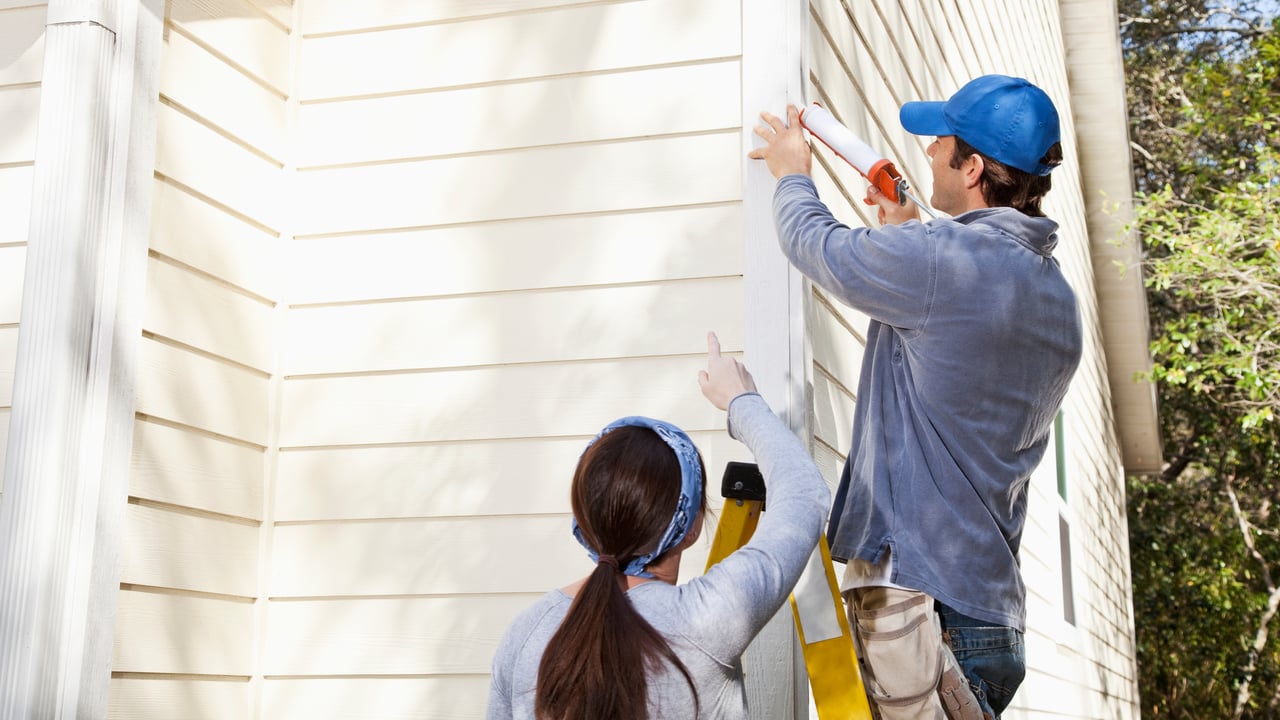
- Cracked caulking
Sealing gaps can improve comfort and lower utility bills.
Examine Exterior Surfaces
Inspect:
- Siding
- Paint
- Decks
- Patios
- Walkways
Look for signs of wear, cracks, or moisture damage.
Summer Home Maintenance Checklist
Summer is ideal for outdoor projects and preventative maintenance.
Check Irrigation Systems
Inspect sprinklers and irrigation equipment for:
- Leaks
- Broken heads
- Uneven watering
Efficient watering helps maintain landscaping while conserving water.
Pressure Wash Exterior Surfaces
Clean:
- Driveways
- Patios
- Decks
- Walkways
- Exterior walls
Pressure washing removes dirt, mildew, and buildup while improving curb appeal.
Inspect Outdoor Living Areas
Review:
- Decks
- Railings
- Fences
- Outdoor furniture
Look for loose boards, rust, or signs of deterioration.
Trim Trees and Shrubs
Overgrown branches can:
- Damage roofing
- Block gutters
- Create safety hazards
Proper trimming promotes healthy growth and protects your property.
Test Safety Equipment
Check:
- Smoke detectors
- Carbon monoxide detectors
- Fire extinguishers
Replace batteries and ensure devices are functioning properly.
Fall Home Maintenance Checklist
Fall is all about preparing your home for cooler temperatures and potential winter weather.
Clean Gutters Again
Falling leaves can quickly clog drainage systems.
Remove debris before winter arrives to reduce the risk of water damage and ice buildup.
Inspect the Heating System
Before colder weather begins:
- Replace HVAC filters
- Schedule furnace maintenance
- Test heating functions
A proactive inspection can help avoid unexpected breakdowns.
Seal Cracks and Gaps
Inspect:
- Windows
- Doors
- Foundation openings
Sealing gaps helps improve energy efficiency and keeps pests out.
Drain Outdoor Faucets
In areas that experience freezing temperatures, disconnect hoses and winterize outdoor plumbing to prevent burst pipes.
Check Chimneys and Fireplaces
If you use a fireplace:
- Schedule chimney cleaning
- Inspect dampers
- Remove debris
Proper maintenance improves safety and performance.
Winter Home Maintenance Checklist
Winter conditions can place significant stress on a home.
Taking preventative measures can help minimize seasonal risks.
Monitor Ice and Snow Buildup
Keep an eye on:
- Rooflines
- Gutters
- Walkways
- Driveways
Excessive accumulation can create structural concerns and safety hazards.
Watch for Plumbing Issues
During cold weather:
- Monitor exposed pipes
- Insulate vulnerable plumbing
- Keep indoor temperatures consistent
Preventing frozen pipes can save thousands in water damage repairs.
Check Attic Insulation
Proper insulation helps:
- Reduce heating costs
- Prevent ice dams
- Maintain consistent indoor temperatures
An attic inspection can identify opportunities for improved efficiency.
Inspect Indoor Humidity Levels
Winter air can become very dry.
Maintaining balanced humidity levels may:
- Protect wood surfaces
- Improve comfort
- Reduce static electricity
Test Emergency Supplies
Review:
- Flashlights
- Batteries
- First aid kits
- Emergency contact information
Preparation is especially important during severe weather seasons.
Monthly Home Maintenance Tasks
Some maintenance items should be completed throughout the year.
Replace HVAC Filters
Most filters should be checked monthly and replaced as needed.
Test Smoke and Carbon Monoxide Detectors
Ensure devices remain operational and properly positioned.
Check for Water Leaks
Inspect:
- Under sinks
- Around toilets
- Water heaters
- Appliances
Even small leaks can lead to significant damage over time.
Inspect Appliances
Review major appliances for signs of wear, unusual noises, or performance issues.
Monitor Utility Bills
Unexpected increases may indicate hidden problems such as leaks or inefficient systems.
The Financial Benefits of Regular Maintenance
Many homeowners view maintenance as an expense, but it often saves money in the long run.
Routine maintenance can help:
- Prevent emergency repairs
- Reduce utility costs
- Extend equipment lifespan
- Improve resale value
- Avoid insurance claims
For example, replacing a worn seal around a window is significantly less expensive than repairing water damage caused by long-term leaks.
Preparing Your Home for Future Resale
Well-maintained homes typically attract more buyers and command stronger offers when it’s time to sell.
Potential buyers often notice:
- Roof condition
- HVAC maintenance records
- Exterior appearance
- Landscaping
- General upkeep
Keeping detailed maintenance records can also demonstrate responsible ownership and increase buyer confidence.
Final Thoughts
Your home is likely one of your largest financial investments, and protecting it requires consistent care throughout the year.
By following a seasonal maintenance schedule, homeowners can reduce the likelihood of costly repairs, improve efficiency, enhance comfort, and preserve long-term property value.
The best approach is simple: tackle small issues before they become major problems. A few hours of preventative maintenance each season can save significant time, money, and stress down the road.
Whether you’re planning to stay in your home for years or preparing to sell in the future, regular maintenance is one of the smartest investments you can make in your property.