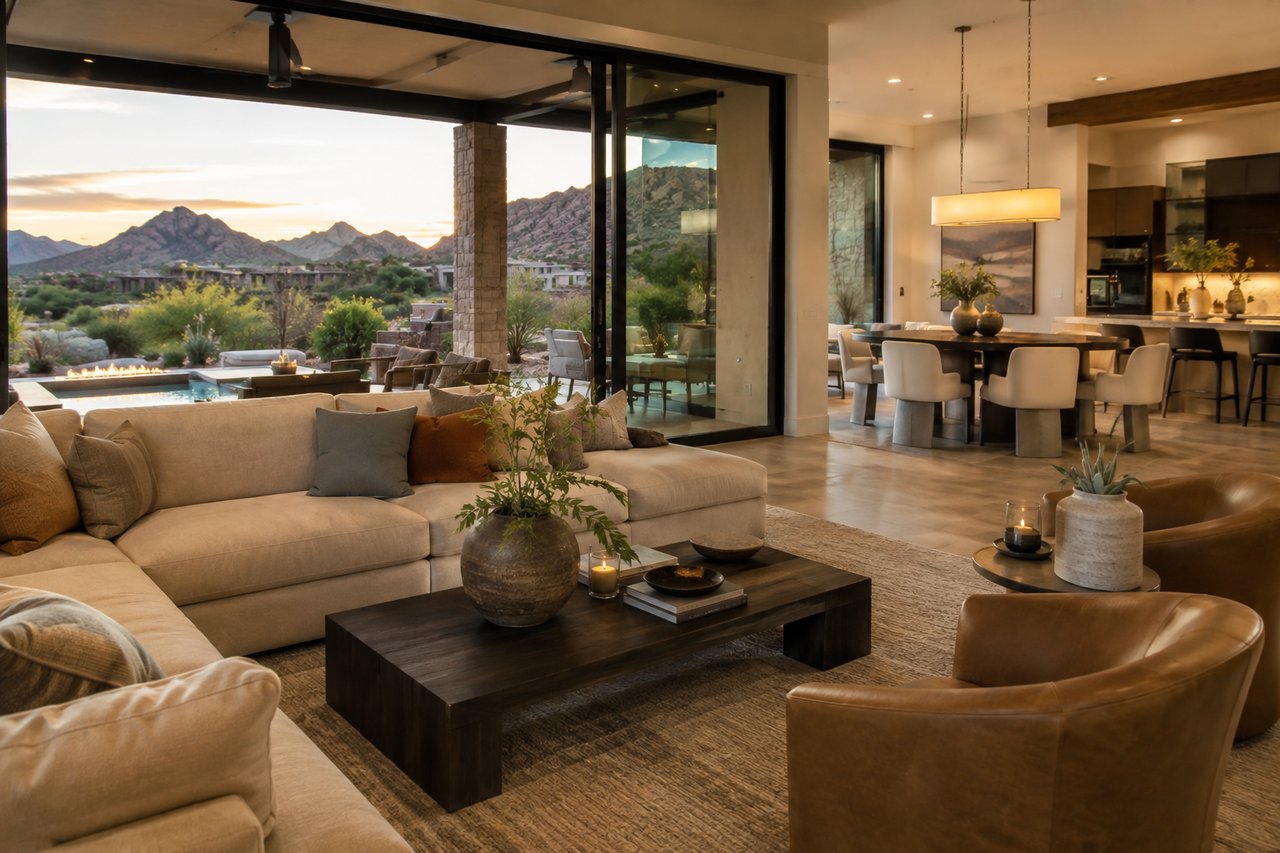
When you list your home, you aren’t just selling square footage or bedroom counts; you are selling a feeling. In the competitive world of real estate, a home that is merely "pretty" often fails to capture the hearts of buyers. To truly stand out, staging must evolve from simple furniture placement into a strategic exercise in storytelling and buyer psychology.
The Psychology of the "Emotional Buy"
While buyers may arrive at a viewing with a logical checklist—the right number of bathrooms, a two-car garage, or a specific school district—their final decision is almost always driven by emotion. Buyers subconsciously look for a sign that says, "This is it".
An unstaged home, or one that is cold and empty, forces the buyer to do all the "heavy lifting" by trying to imagine how their furniture might fit or how the space could reflect their lifestyle. That mental effort creates hesitation, and in real estate, hesitation often kills deals. Intentional staging bridges this gap, doing the emotional work for the buyer so they can transition from a casual observer to someone who feels, "I belong here".
Elements of an Emotional Connection
Creating a space that resonates isn't about expensive furniture; it’s about the subtle cues that suggest a lifestyle.
Lifestyle Storytelling: Great staging hints at a story rather than dictating one. A sunlit breakfast nook with two coffee mugs invites buyers to imagine slow weekend mornings. A perfectly styled reading chair suggests a place for quiet reflection.
The Power of Texture and Warmth: A home should never feel untouchable. Introduce warmth through layered neutrals and soft textures like linen, wool, or boucle. Plush rugs and cozy throw blankets add depth, making a room feel lived-in and welcoming rather than sterile.
Neutrality and Depersonalization: While you want to evoke emotion, you must strike a balance. Removing personal items like family photos and unique memorabilia allows the buyer to visualize their own life in the space, rather than feeling like a guest in yours.
Strategic Lighting: Warm, ambient lighting is essential. It helps spaces feel inviting and cozy, even during daytime viewings, and can transform a room from a cold shell into a serene retreat.
Designing for Flow and Experience
True emotional staging is intuitive; it guides the buyer through the home in a way that feels natural and seamless. Furniture should define "zones"—such as a dedicated workspace or a conversation area—without closing off sightlines or making the room feel cramped.
When the flow is considered carefully, buyers don't feel distracted by a confusing layout; they feel comfortable. This ease translates into confidence, and confidence is exactly what leads to stronger, faster offers.
Final Thoughts: Emotion Sells
Staging is not about decoration for decoration's sake; it is about understanding human behavior. By focusing on first impressions, highlighting the lifestyle potential of your home, and creating a space that feels warm and approachable, you turn a property into an experience. When buyers fall in love with the feeling your home provides, the transition from "looking" to "buying" becomes an emotional choice they are eager to justify with logic.