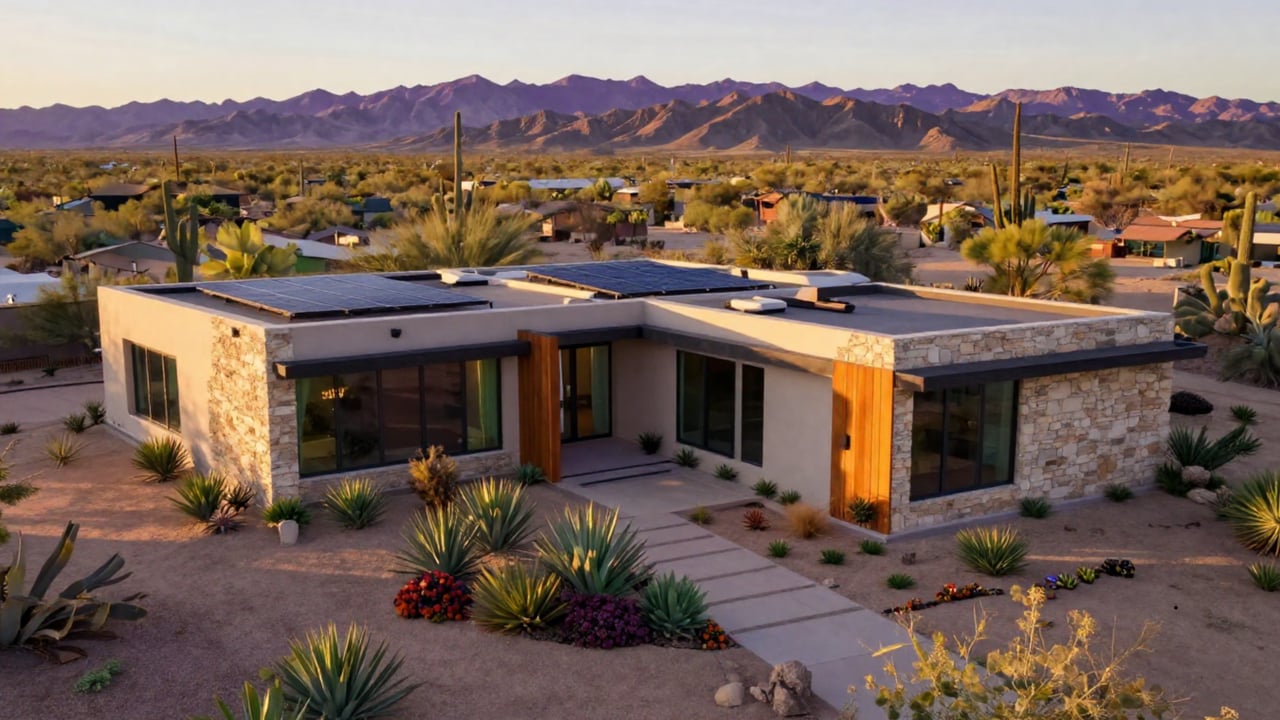
In the luxury market of 2026, the definition of opulence has undergone a significant transformation. High-net-worth buyers are no longer merely seeking ostentatious displays of wealth; they are prioritizing "sustainable luxury" as the ultimate status symbol. Today, true prestige is found in properties that harmonize high-end design with environmental responsibility, proving that elegance and eco-consciousness are not mutually exclusive but are, in fact, the new standard for a future-proof investment.
Sustainability as the New Standard
Sustainability has moved from a "nice-to-have" feature to a non-negotiable expectation in the ultra-luxury tier. Affluent buyers now assume that a premium property will feature net-zero energy performance, high-performance building envelopes, and low-embodied-carbon materials.
This shift is rooted in the understanding that environmental stewardship and financial acumen go hand-in-hand. Features that reduce a home's carbon footprint—such as superior insulation and high-efficiency windows—also translate into lower long-term operating costs, making these homes highly desirable assets in an increasingly eco-aware market.
The Tech Behind the "Green" Home
The most coveted properties in 2026 utilize "invisible" technology to manage consumption without sacrificing convenience. Buyers are actively seeking homes where sustainability is seamlessly integrated into the daily living experience:
Energy-Efficient Connected Appliances: Today’s kitchens and utility rooms feature Energy Star–rated appliances and smart systems that learn routines, optimizing energy consumption based on occupancy patterns and weather forecasts.
Smart Water Management: Sophisticated properties now incorporate water-saving innovations, including greywater recycling for gardens, rainwater harvesting, and low-flow fixtures that maintain performance while drastically reducing waste.
Renewable Energy Integration: Solar roofing and geothermal systems are becoming the hallmarks of a luxury investment. These features allow homeowners to generate their own electricity, providing both financial independence and a powerful statement of environmental commitment.
Artisan Materials and Biophilic Design
The modern luxury aesthetic is defined by "material honesty"—the use of raw, authentic elements that tell a story. Sustainable luxury design emphasizes the use of reclaimed woods, recycled metals, natural stone, and non-toxic, low-VOC finishes.
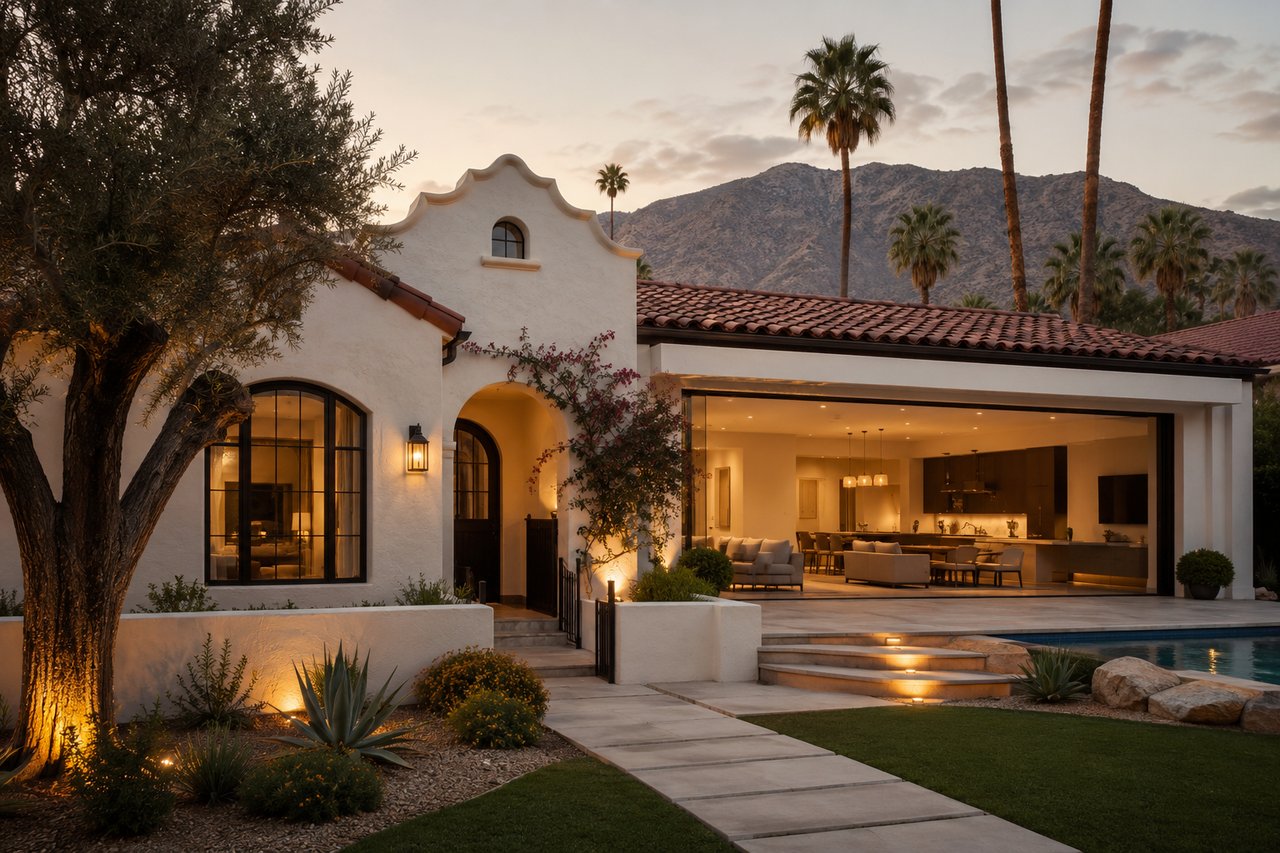
This is often paired with biophilic design, which embeds the natural world into the home’s architecture. Features like living green walls, indoor gardens, and retractable glass walls that blur the line between indoors and out are highly sought after. These elements do more than look beautiful; they support mental well-being and foster a sense of tranquility—a core component of the "wellness-first" lifestyle that defines modern luxury.
Why Future-Proofing Matters
Properties that prioritize eco-friendly design and wellness-oriented amenities often retain higher long-term value, attract premium tenants more easily, and align with global investment standards. For the 2026 buyer, investing in a home with green certifications—such as LEED, WELL, or Passive House—is a strategic move that guarantees a property is both healthy to inhabit and resilient against future market shifts.
In the current landscape, the most desirable home is one that serves as a high-performance sanctuary. By choosing a property that balances opulent aesthetics with responsible, future-proof systems, homeowners are securing more than just a living space—they are investing in a legacy of global stewardship and personal well-being.