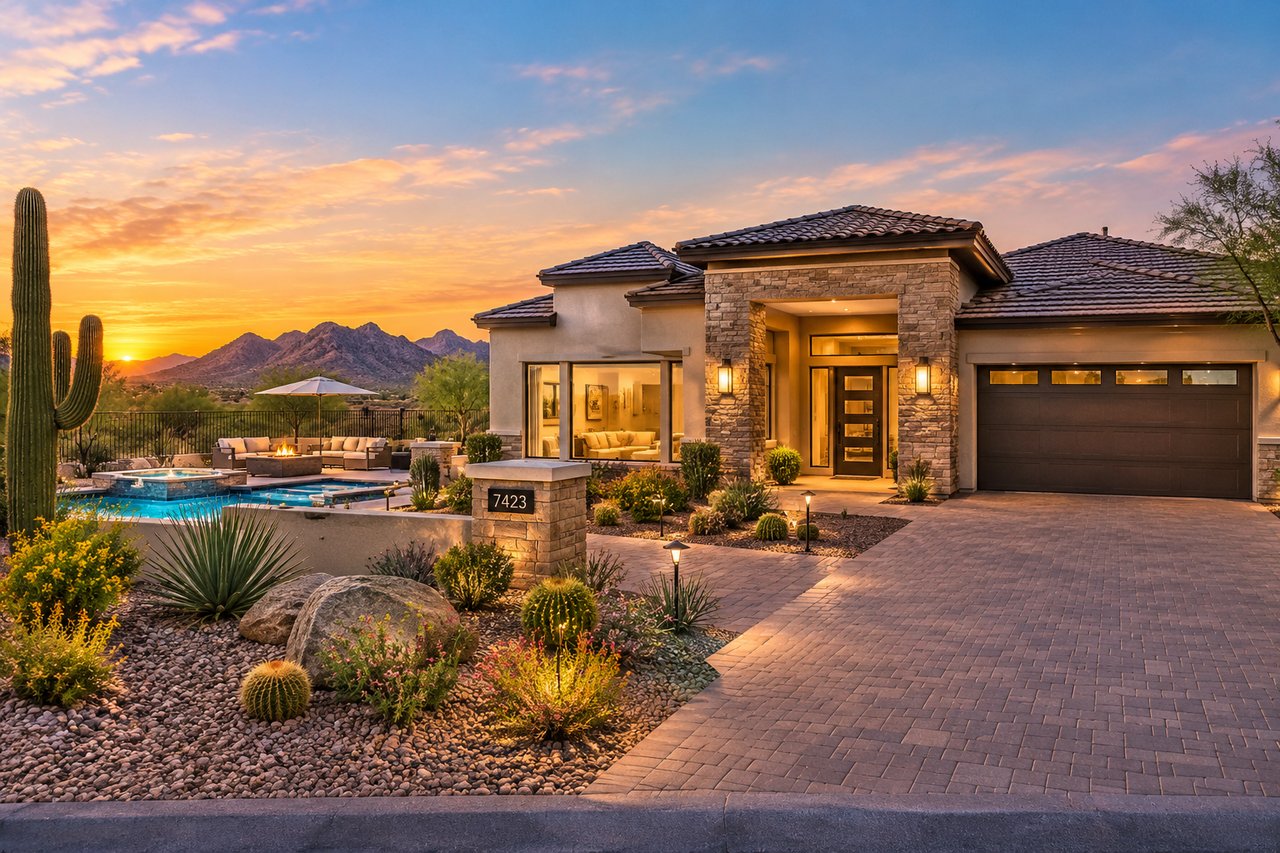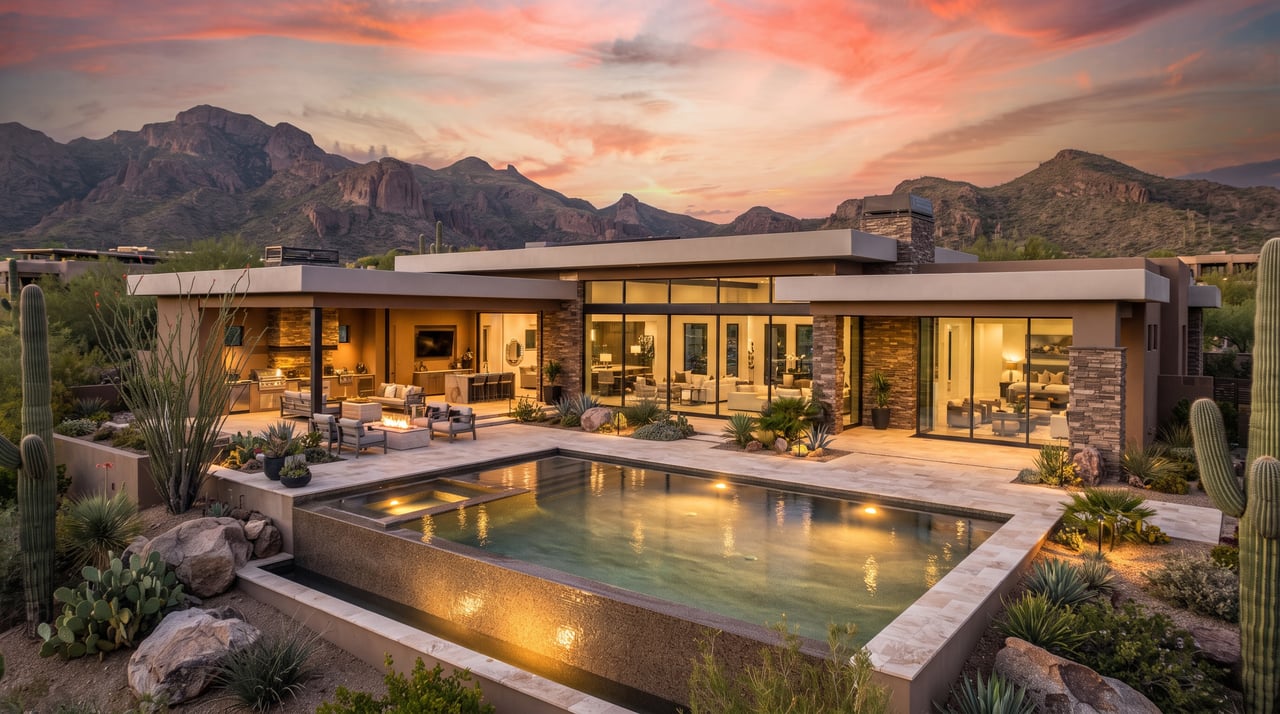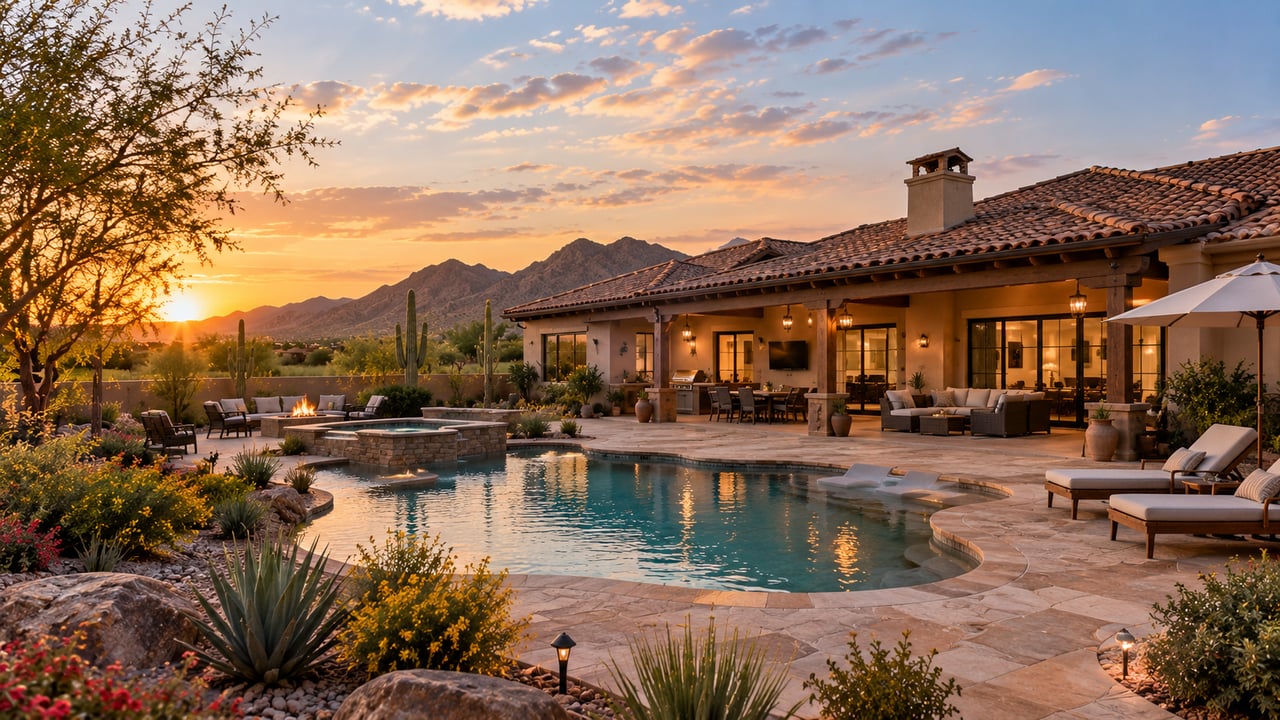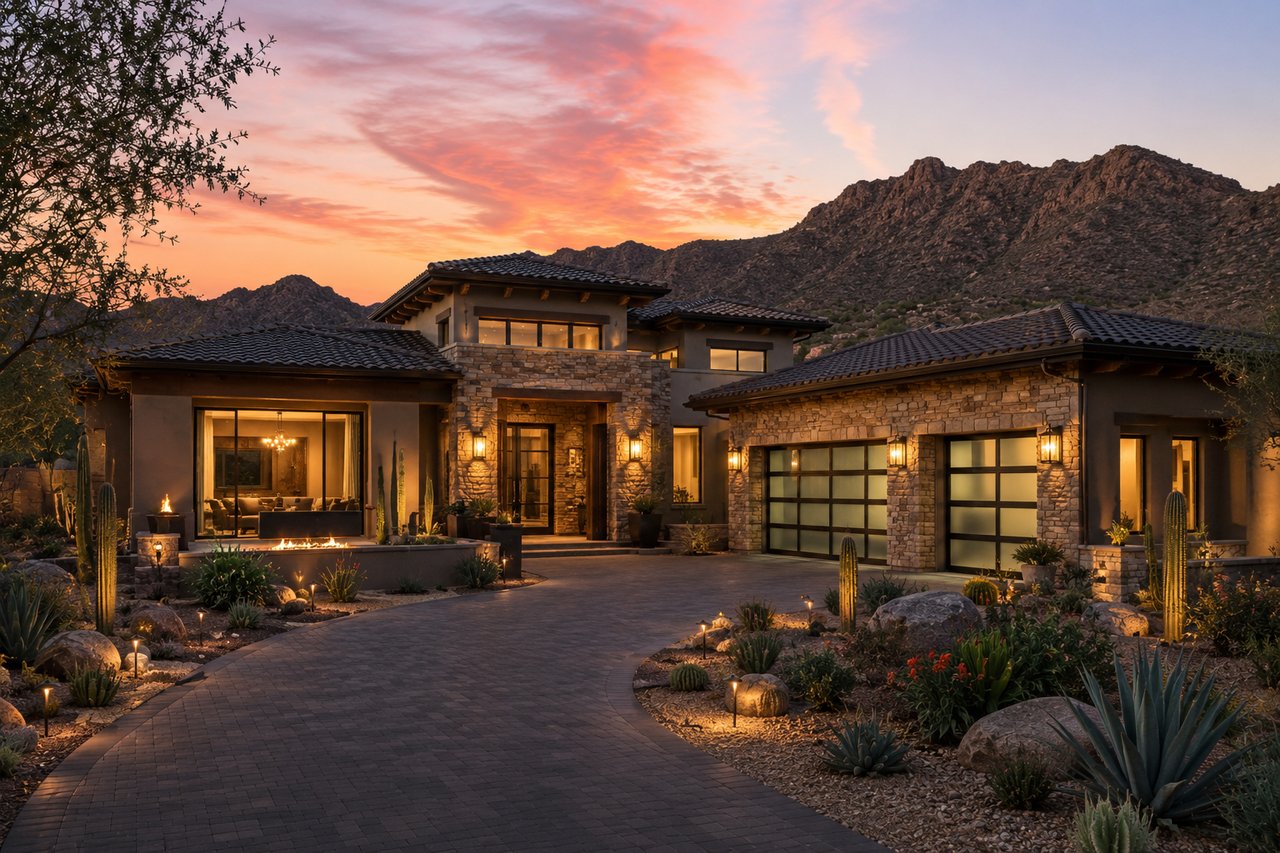
When stepping into the upper tiers of real estate, valuation defies the conventional metrics of square footage and price-per-foot calculations. In the luxury market, a home is rarely just a shelter; it is an architectural statement, a collector's item, and a timeless expression of art.
What elevates a multi-million-dollar estate from an expensive house to an appreciating legacy asset? The answer lies in two powerful, intangible forces: pedigree and design.
Understanding how these elements shape luxury value reveals the true inner workings of high-end real estate and why certain properties command unprecedented premiums regardless of broader market shifts.
1. The Power of Pedigree: Provenance in Real Estate
Just as a fine piece of art or a vintage timepiece derives its worth from its maker and history, a luxury home’s pedigree anchors its financial and cultural value.
The Architect’s Signature: A home designed by a master architect—such as Frank Lloyd Wright, Al Beadle, or modern visionaries who shape the desert landscape—carries an intrinsic stamp of approval. Their designs are finite; they cannot be replicated. Owning an architectural masterpiece means owning a piece of design history.
Historical and Cultural Significance: Homes that have played a role in a community's evolution, or those commissioned by prominent figures, carry a narrative weight that insulates them against market volatility.
The Builder’s Legacy: Beyond the architect, the craftsmanship of elite luxury builders establishes a reputation for structural integrity and timeless material selection that buyers trust implicitly.
2. Design as a Discipline: Timeless vs. Trendy
In standard residential building, design trends fluctuate with every passing decade. In the luxury tier, true design transcends trends, focusing instead on spatial harmony, proportion, and organic integration with the environment.
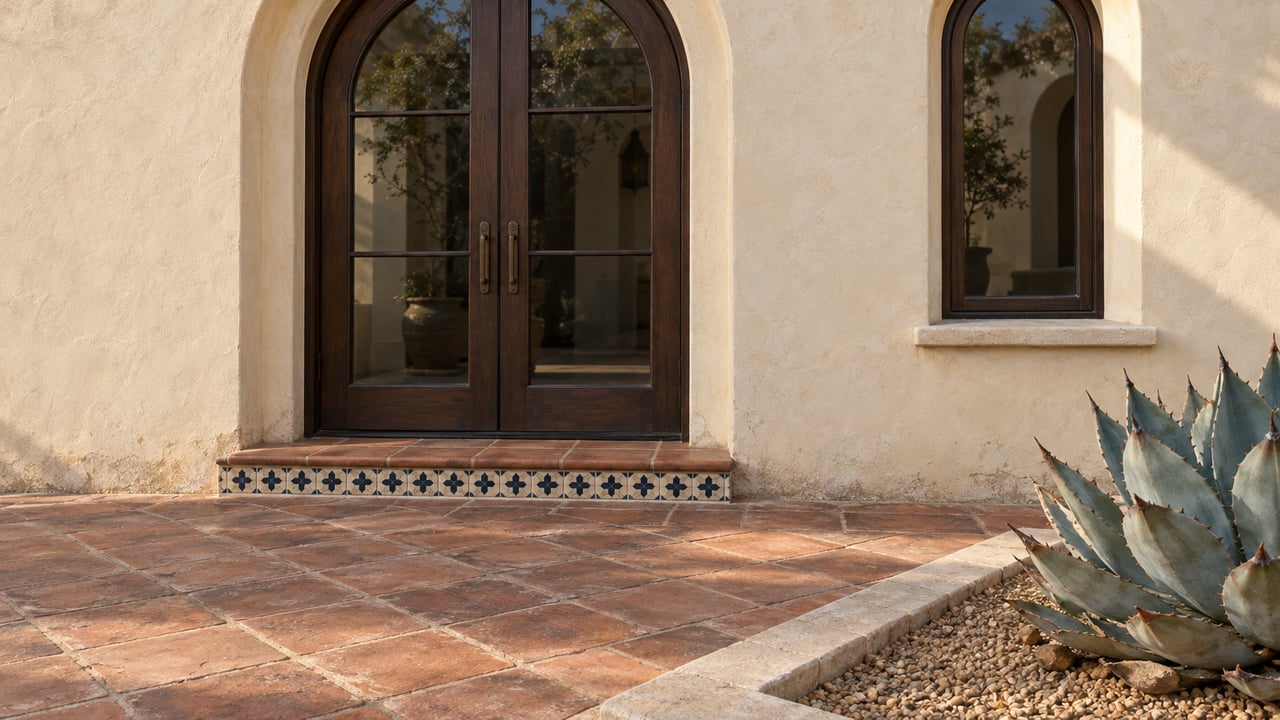
Material Honesty and Provenance: Luxury value is communicated through tactile authenticity. Hand-cut stone, custom bronze fixtures, imported European white oak, and structural steel are materials that age gracefully, gaining character rather than showing wear.
The Indoor-Outdoor Continuum: Particularly in the desert Southwest, elite design masters the art of blurring the line between interior luxury and the natural landscape. Floor-to-ceiling glass, cantilevered roofs, and courtyards designed to capture the changing light throughout the day elevate the daily living experience into something extraordinary.
Spatial Flow and Functional Elegance: Grandeur without functionality holds little value for sophisticated buyers. High-end design prioritizes intuitive flow—balancing cavernous entertaining spaces with intimate, private family sanctuaries.
3. The Scarcity Principle: Why Unique Assets Defy Market Gravity
Economics dictates that value is driven by supply and demand. By definition, a property defined by unique pedigree and bespoke design is an asset of absolute scarcity.
You can build a brand-new house on an empty lot, but you cannot recreate historical pedigree, mature landscaping, or an iconic architectural lineage. When macro-economic shifts occur, standardized housing may fluctuate with interest rates, but iconic luxury assets remain resilient. High-net-worth collectors and global buyers constantly compete for a finite number of architectural trophies, creating a distinct micro-economy within the luxury sector.
4. Preserving and Showcasing Architectural Value
Because pedigree and design are nuanced qualities, marketing and managing them requires an equally sophisticated approach. Capturing the essence of an architectural masterpiece demands cinematic visual storytelling, precise target marketing to international collectors, and a deep appreciation for the narrative behind the home.
When a luxury property’s story is told correctly, buyers do not just see a floor plan; they recognize a rare, irreplaceable asset.