In the high-stakes world of Arizona luxury real estate—specifically within the competitive corridors of 85253 and 85018—your home isn't just evaluated on its interior square footage or the brand of its kitchen appliances. It is audited on its "Initial Impact." Behavioral science confirms that a buyer’s psychological state—the moment they transition from a standard lead to a "High-Intent" prospect—is codified within the first ten seconds of their physical interaction with your estate. If your property isn't generating immediate Curb Equity, you are creating Spatial Friction that the rest of the tour will struggle to overcome.
Here is how to perform a professional Structural Audit on the first ten seconds of your property to ensure it performs at an elite level.
1. The Acoustic and Light Audit
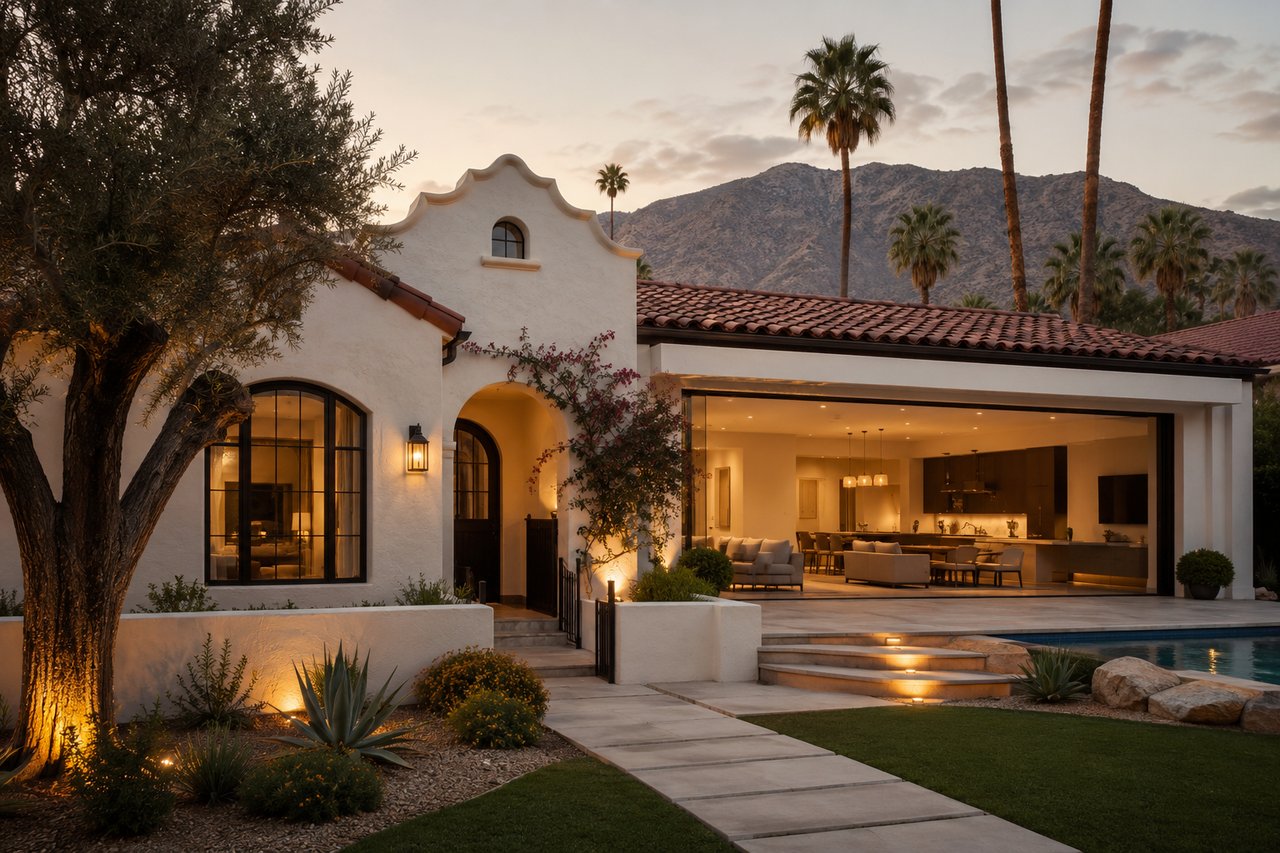
The "First Ten Seconds" begins before the car door even opens. The Operational Intelligence of your landscape lighting is your first opportunity to signal value. For serious Paradise Valley and North Scottsdale buyers, twilight viewings are common. At this hour, your home should offer Visual Quietude.
-
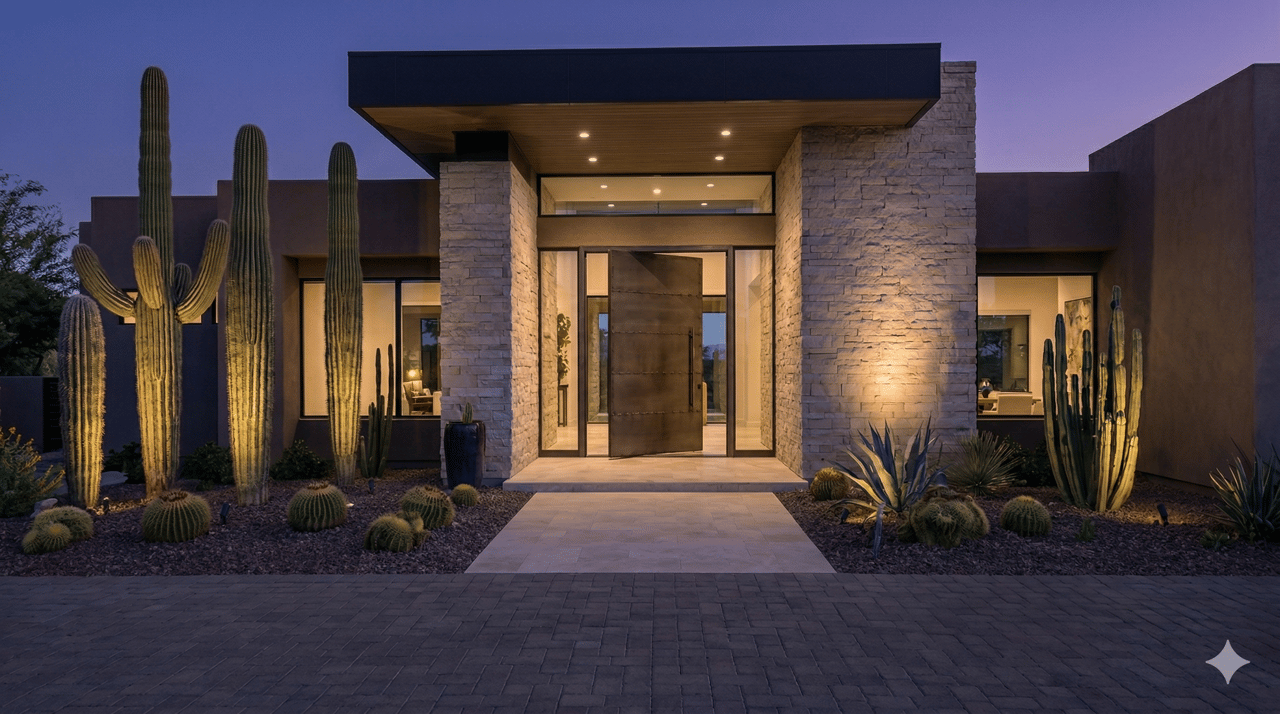
The Strategy: High-performance landscape lighting is a non-negotiable asset. Avoid "runway" lighting that looks amateur. Instead, use curated illumination—such as uplighting native saguaros and cross-lighting architectural stone fascia—to create depth.
-
The Result: It signals sophistication and tells the buyer, "Every detail of this sanctuary has been optimized." It transitions the property from a "house" to a "curated environment."
2. The Functional Flow of the "Logistical Entry"
The transition from the vehicle to the entryway is often a neglected moment of friction. The pathway should offer a clear, intuitive Functional Flow that reduces subconscious anxiety.
-
The Strategy: Audit the pathway for "Logistical Intelligence." Is the walkway an obstacle course of overgrown desert flora, or is it a masterclass in ease? Ensure the hardscaping (pavers, limestone, or concrete) is pristine and presents zero structural stress.
-
The Result: Removing visual clutter allows the home’s structural integrity to speak for itself. When the path is effortless, the buyer’s brain stays in a state of Cognitive Ease, making them more receptive to the interior's features.
3. The "Neural Retreat" (Wait Time Optimization)
A key metric of your Curb Equity is what happens when the buyer is waiting for the door to open. If the entry area feels exposed or cramped, you have already lost the psychological high ground.
-
The Strategy: Create a "Neural Retreat." The entry area should feel like a microcosm of the entire estate—a sanctuary within a sanctuary. Frame the entrance with manicured native landscaping or subtle, low-decibel water features to mask neighborhood noise.
-
The Result: A high-performance door system (pivoting steel, custom white oak, or architectural glass) ensures this interaction point offers both physical protection and sensory restoration. You want the buyer to feel a sense of relief before they even step inside.
The Verdict: Secure the Narrative
In real estate, your Identity Audit and Property Performance are your primary assets. The first ten seconds write the story that the rest of the tour must live up to. When your curb equity is optimized, you aren't just selling a house; you are offering a narrative of luxury, freedom, and ease.
Is your home’s narrative starting on a high note, or is there friction at the curb?