Homeowners insurance provides valuable financial protection when unexpected events damage your property. While insurance can help cover repair and replacement costs, no homeowner wants to experience a major loss in the first place.
Many of the most common home insurance claims stem from issues that can often be prevented through routine maintenance, early detection, and proactive planning. Understanding what causes these claims can help homeowners reduce risk, avoid disruptions, and potentially save money on insurance premiums.
Whether you’re a first-time homeowner or have owned a property for years, knowing where problems typically occur is an important part of protecting your investment.
Let’s explore the most common homeowners insurance claims and the steps you can take to prevent them.
Why Prevention Matters
Insurance is designed to help homeowners recover after a loss, but filing claims can sometimes lead to:
- Deductible expenses
- Increased premiums
- Claim limitations
- Time-consuming repairs
- Temporary displacement from your home
Preventing damage before it occurs is often far less expensive and stressful than dealing with the aftermath.
1. Water Damage and Plumbing Issues
Water damage is consistently one of the most common homeowners insurance claims.
Leaks can occur suddenly or develop gradually over time.
Common causes include:
- Burst pipes
- Leaking water heaters
- Faulty appliances
- Overflowing sinks or tubs
- Broken washing machine hoses
- Plumbing failures
Even a small leak can cause significant damage to:
- Flooring
- Walls
- Cabinets
- Electrical systems
- Personal belongings
How to Prevent Water Damage
- Inspect plumbing regularly.
- Replace aging hoses and fittings.
- Monitor water pressure.
- Check under sinks for leaks.
- Service water heaters according to manufacturer recommendations.
- Know where your home’s main water shutoff valve is located.
Early detection can prevent thousands of dollars in repairs.
2. Wind and Hail Damage
Severe weather is another leading source of insurance claims.
Strong winds and hail can damage:
- Roof shingles
- Siding
- Gutters
- Windows
- Outdoor structures
Even minor roof damage can eventually lead to leaks and interior water damage if left unaddressed.
How to Prevent Wind and Hail Damage
- Schedule regular roof inspections.
- Replace damaged or missing shingles.
- Trim tree branches near the home.
- Secure outdoor furniture and equipment.
- Inspect gutters and drainage systems.
Routine maintenance can help your home better withstand severe weather events.
3. Fire and Smoke Damage
House fires can be devastating both financially and emotionally.
Common causes include:
- Cooking accidents
- Electrical issues
- Heating equipment
- Candles
- Fireplaces
- Dryer lint buildup
Even small fires can result in extensive smoke damage throughout a home.
How to Prevent Fire Damage
- Install smoke detectors on every level.
- Test detectors monthly.
- Replace batteries regularly.
- Clean dryer vents annually.
- Avoid overloading electrical outlets.
- Never leave cooking unattended.
- Have heating systems inspected regularly.
Fire prevention is one of the most important responsibilities homeowners have.
4. Theft and Burglary
While security technology has improved significantly, theft remains a common insurance claim.
Stolen items often include:
- Electronics
- Jewelry
- Cash
- Tools
- Personal belongings
Break-ins may also result in property damage.
How to Prevent Theft
- Install quality locks.
- Use security cameras.
- Add motion-sensor lighting.
- Secure windows and doors.
- Avoid advertising vacations on social media.
- Consider a monitored alarm system.
Simple security measures can significantly reduce risk.
5. Liability Claims
Liability claims occur when someone is injured on your property or when you accidentally cause damage to someone else’s property.
Examples include:
- Slip-and-fall accidents
- Dog bites
- Falling tree branches
- Property damage involving guests
Liability claims can be expensive because they may involve medical costs and legal expenses.
How to Reduce Liability Risks
- Repair uneven walkways.
- Remove tripping hazards.
- Maintain adequate lighting.
- Secure swimming pools with proper fencing.
- Supervise pets appropriately.
- Address hazardous conditions promptly.
A safe property helps protect both homeowners and visitors.
6. Roof Damage
Roof-related claims are often connected to weather events, but age and lack of maintenance can also contribute.
Common roofing issues include:
- Missing shingles
- Storm damage
- Leaks
- Deterioration
- Flashing failures
Since the roof protects the entire structure, neglecting repairs can lead to larger problems.
How to Protect Your Roof
- Schedule annual inspections.
- Clean gutters regularly.
- Remove debris promptly.
- Address minor damage immediately.
- Trim overhanging branches.
Preventative maintenance can extend the life of your roof and reduce repair costs.
7. Frozen Pipes
In colder climates, frozen pipes can cause significant damage.
When water freezes inside pipes, pressure builds and may eventually cause the pipe to burst.
The resulting water damage can affect multiple areas of the home.
How to Prevent Frozen Pipes
- Insulate exposed plumbing.
- Seal drafts near pipes.
- Keep indoor temperatures consistent.
- Allow faucets to drip during extreme cold.
- Disconnect outdoor hoses before winter.
Preparing ahead of freezing temperatures can help prevent costly repairs.
8. Falling Trees and Branches
Storms, disease, and aging trees can lead to property damage.
Falling trees may impact:
- Roofs
- Vehicles
- Fences
- Sheds
- Power lines
These incidents often result in expensive repairs.
How to Reduce Tree Risks
- Inspect trees regularly.
- Remove dead or weakened branches.
- Monitor signs of disease.
- Hire professionals when necessary.
Proper tree maintenance is an important part of homeownership.
9. Sewer and Drain Backups
Sewer backups can create unpleasant and costly situations.
Causes may include:
- Clogged drains
- Tree root intrusion
- Municipal sewer issues
- Heavy rainfall
Many standard homeowners insurance policies do not automatically cover sewer backup damage.
How to Prevent Sewer Backups
- Avoid flushing inappropriate items.
- Schedule drain inspections.
- Install backflow prevention devices.
- Address slow drains early.
Prevention can help avoid significant cleanup expenses.
10. Electrical Damage
Electrical problems can damage appliances, electronics, and even contribute to house fires.
Common causes include:
- Outdated wiring
- Power surges
- Faulty outlets
- Overloaded circuits
How to Prevent Electrical Issues
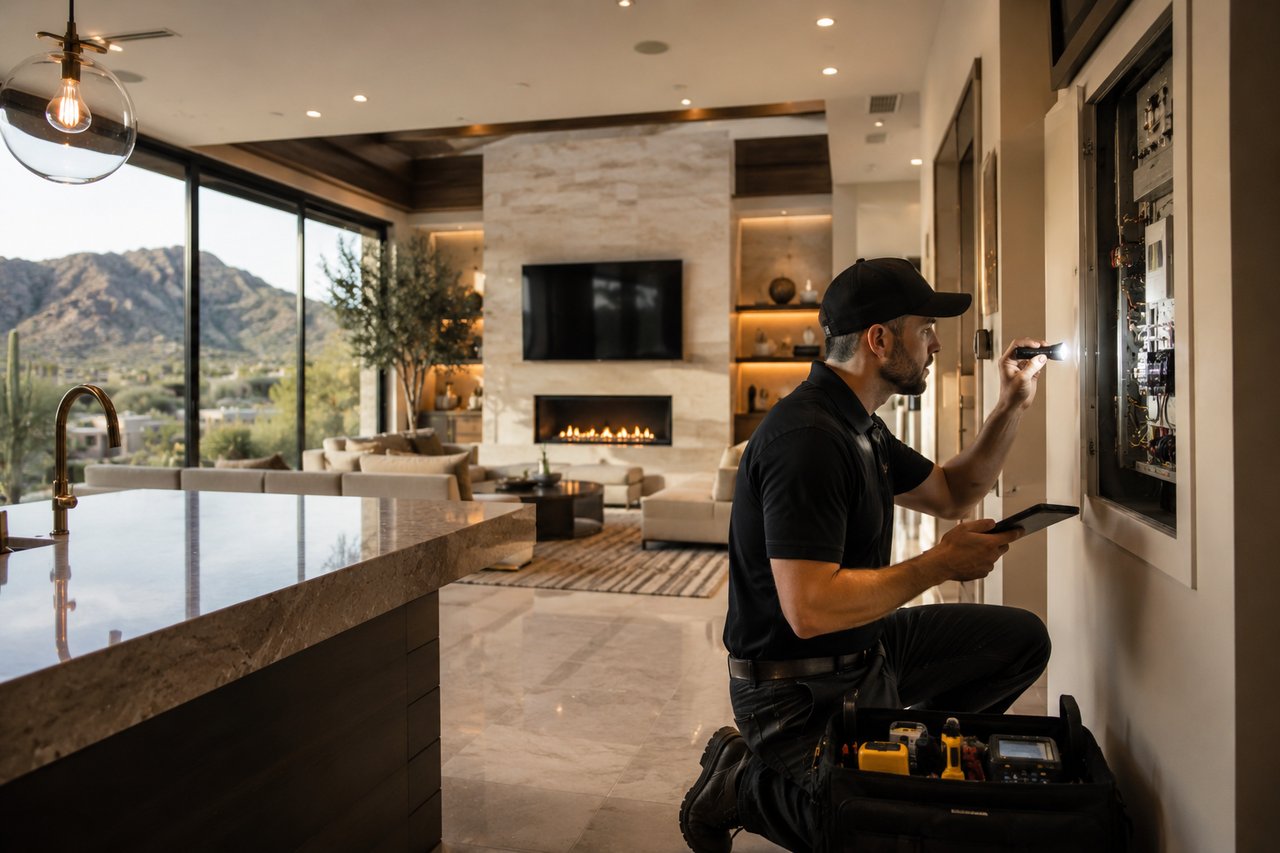
- Schedule professional inspections.
- Upgrade outdated systems.
- Use surge protectors.
- Avoid overloading outlets.
- Replace damaged cords.
Maintaining electrical systems improves both safety and reliability.
Creating a Home Maintenance Plan
One of the best ways to reduce insurance claims is by following a consistent maintenance routine.
A home maintenance plan should include:
Monthly Tasks
- Test smoke detectors
- Check for plumbing leaks
- Inspect HVAC filters
- Monitor utility bills for unusual increases
Seasonal Tasks
- Clean gutters
- Inspect roofing
- Service heating and cooling systems
- Check weather seals
Annual Tasks
- Professional roof inspection
- Plumbing inspection
- Chimney cleaning (if applicable)
- Tree evaluation
Regular maintenance helps identify potential issues before they become expensive problems.
Review Your Insurance Coverage Regularly
Even the most proactive homeowners can experience unexpected events.
That’s why it’s important to review your homeowners insurance coverage periodically.
Make sure you understand:
- Coverage limits
- Deductibles
- Exclusions
- Optional endorsements
- Replacement cost provisions
Your insurance needs may change as your home and circumstances evolve.
Final Thoughts
While homeowners insurance provides valuable protection, preventing damage whenever possible remains the best strategy.
Many of the most common claims—including water damage, fire, theft, roof problems, and liability incidents—can often be minimized through routine maintenance and smart safety practices.
By taking a proactive approach to homeownership, you can reduce risks, protect your investment, and enjoy greater peace of mind throughout the year.
A little prevention today can save significant time, money, and stress tomorrow.