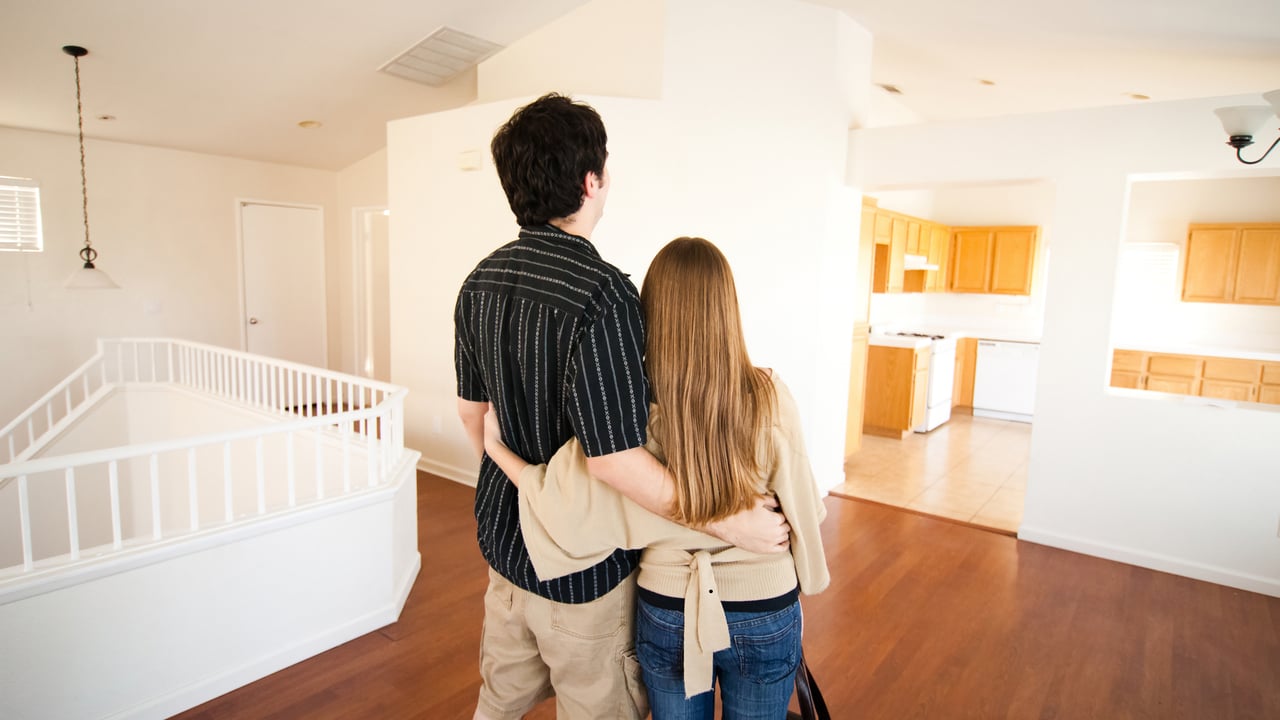
Buying your first home is exciting, but it can also feel overwhelming. Between mortgage approvals, home tours, inspections, offers, paperwork, and closing costs, there is a lot to learn in a short amount of time.
Many first-time buyers enter the process focused mainly on finding the right home. While that is important, there are many other details that can affect your experience, your budget, and your confidence as a homeowner.
The good news is that a little preparation can make the process much smoother. Here are some of the biggest things first-time home buyers often wish they knew before purchasing.
1. The Mortgage Payment Is Not the Only Monthly Cost
One of the most common surprises for first-time buyers is that the mortgage payment is only part of the total cost of homeownership.
In addition to the principal and interest on your loan, you may also need to budget for:
- Property taxes
- Homeowners insurance
- Mortgage insurance
- HOA fees
- Utilities
- Lawn care
- Repairs and maintenance
- Pest control
- Internet and security systems
Before falling in love with a home, it is important to understand the full monthly cost. A home may look affordable based on the purchase price, but the overall payment can feel very different once taxes, insurance, and other expenses are included.
2. Pre-Approval Matters More Than You Think
Many first-time buyers start browsing homes online before speaking with a lender. While it is perfectly fine to explore neighborhoods and price ranges, getting pre-approved early is one of the smartest first steps.
A mortgage pre-approval helps you understand:
- How much you may be able to borrow
- What price range fits your budget
- What your estimated monthly payment could be
- Which loan options may be available
- How much cash you may need to close
Pre-approval also shows sellers that you are a serious buyer. In a competitive market, having your financing ready can make your offer stronger.
3. You Do Not Have to Spend the Full Amount You Are Approved For
Just because a lender approves you for a certain amount does not mean you need to spend that much.
Your approved amount is based on financial qualifications, but it may not fully reflect your lifestyle, comfort level, or long-term goals. You may want room in your budget for travel, savings, future family plans, hobbies, or unexpected expenses.
A smart home purchase is not just about what you can technically afford. It is about what allows you to live comfortably after you move in.
4. Closing Costs Can Add Up
Many first-time buyers save for the down payment but forget about closing costs.
Closing costs are fees paid at the end of the transaction and may include:
- Lender fees
- Title fees
- Escrow fees
- Appraisal fees
- Recording fees
- Prepaid taxes
- Prepaid insurance
- Loan-related costs
These costs vary depending on the home price, location, and loan type, but they can add up quickly. It is important to ask your lender for an estimate early so you know what to expect.
In some cases, buyers may be able to negotiate seller concessions or use certain programs to help reduce upfront costs.
5. The Home Inspection Is Worth It
A home may look beautiful during a showing, but an inspection can reveal what is happening behind the walls, under the roof, and inside the major systems.
A professional inspection can help identify issues with:
- Roofing
- Plumbing
- Electrical systems
- HVAC
- Foundation
- Windows and doors
- Moisture or leaks
- Appliances
- Safety concerns
First-time buyers sometimes feel nervous when an inspection report comes back with a long list of items. However, not every issue is a dealbreaker. Some items may be minor maintenance concerns, while others may require negotiation or further evaluation.
The inspection gives you information so you can make a confident decision.
6. Cosmetic Issues Are Often Easier to Fix Than Structural Problems
It is easy to get distracted by paint colors, outdated light fixtures, old carpet, or furniture style. However, many cosmetic issues are relatively simple to change over time.
Bigger concerns are usually related to the home’s structure, systems, and overall condition.
When touring homes, try to look beyond decor and focus on:
- Layout
- Natural light
- Storage
- Roof condition
- HVAC age
- Plumbing and electrical systems
- Foundation and drainage
- Location and neighborhood
A home that needs simple cosmetic updates may still be a great opportunity if the major components are in good shape.
7. Location Really Does Matter
First-time buyers often focus heavily on the house itself, but the neighborhood is just as important.
Before making an offer, consider:
- Commute times
- School districts
- Nearby amenities
- Traffic patterns
- Noise levels
- Future development
- Walkability
- Safety
- Resale potential
You can renovate a kitchen, update flooring, or repaint walls, but you cannot change where the home is located. A great location can support your lifestyle and help protect your investment over time.
8. Your First Home Does Not Have to Be Your Forever Home
Many buyers feel pressure to find the perfect home immediately. But your first home does not have to be your forever home.
It can be a stepping stone that helps you build equity, learn about homeownership, and move closer to your long-term goals.
Instead of searching for perfection, focus on finding a home that meets your most important needs right now, fits your budget, and has good potential for the future.
9. Maintenance Becomes Your Responsibility
When you rent, maintenance is often handled by a landlord or property manager. When you own a home, repairs and upkeep become your responsibility.
This includes things like:
- Changing air filters
- Cleaning gutters
- Maintaining landscaping
- Servicing HVAC systems
- Fixing leaks
- Replacing appliances
- Managing pest control
- Keeping up with exterior maintenance
First-time buyers should plan to set aside money for ongoing maintenance. Even a well-maintained home will need care over time.
10. The Lowest Price Is Not Always the Best Deal
It can be tempting to focus only on finding the lowest-priced home, but price is just one part of the equation.
A cheaper home may come with higher repair costs, expensive HOA fees, poor resale potential, or a less desirable location. On the other hand, a slightly higher-priced home in better condition or a stronger neighborhood may offer better long-term value.
The best deal is not always the lowest price. It is the home that gives you the right balance of condition, location, affordability, and future potential.
11. HOA Rules Should Be Reviewed Carefully
If the home is located in a community with a homeowners association, it is important to review the HOA rules before purchasing.
Ask questions such as:
- What are the monthly or annual fees?
- What do the fees cover?
- Are there rental restrictions?
- Are there pet restrictions?
- Are exterior changes allowed?
- Are there parking rules?
- Are there upcoming assessments?
HOAs can help maintain community standards, but they also come with rules and responsibilities. Make sure the community fits your lifestyle before moving forward.
12. Your Offer Is About More Than Just Price
When making an offer, the purchase price is important, but it is not the only factor a seller considers.
Other offer terms may include:
- Closing timeline
- Financing type
- Inspection period
- Earnest money deposit
- Appraisal terms
- Seller concessions
- Contingencies
A well-structured offer can make a difference, especially in a competitive market. Your real estate professional can help you understand how to create an offer that protects your interests while still being appealing to the seller.
13. Emotions Can Make Decisions Harder
Buying your first home can be emotional. It is easy to fall in love with a property and overlook potential concerns, or feel discouraged if an offer is not accepted.
The key is to stay grounded. Know your budget, understand your priorities, and be willing to walk away if a home is not the right fit.
The right home should make sense both emotionally and financially.
14. The Process Can Take Time
Some buyers find a home quickly, while others take weeks or months. The timeline depends on your budget, market conditions, inventory, financing, and personal preferences.
Try not to rush the process. It is better to take the time to make a thoughtful decision than to feel pressured into a home that does not truly fit your needs.
Patience can be one of the most valuable tools in the home-buying process.
15. Having the Right Guidance Makes a Big Difference
First-time buyers do not have to figure everything out alone. Working with the right real estate professional can make the process less stressful and more organized.
A knowledgeable agent can help you:
- Understand the local market
- Find homes that match your goals
- Review comparable sales
- Write a strong offer
- Navigate inspections
- Understand deadlines
- Communicate with the other side
- Prepare for closing
Buying your first home is a major milestone, and having an experienced guide can help you feel more confident from start to finish.
Final Thoughts
Buying your first home is a big step, and it is normal to have questions along the way. Many first-time buyers later realize they wish they had understood the full cost of ownership, the importance of inspections, the value of location, and the need to plan for maintenance before purchasing.
The more prepared you are, the smoother the experience can be.
By asking the right questions, understanding your budget, reviewing the details carefully, and working with a trusted real estate professional, you can make a smart and confident first home purchase.
Your first home does not have to be perfect. It simply needs to be the right fit for your life, your goals, and your future.