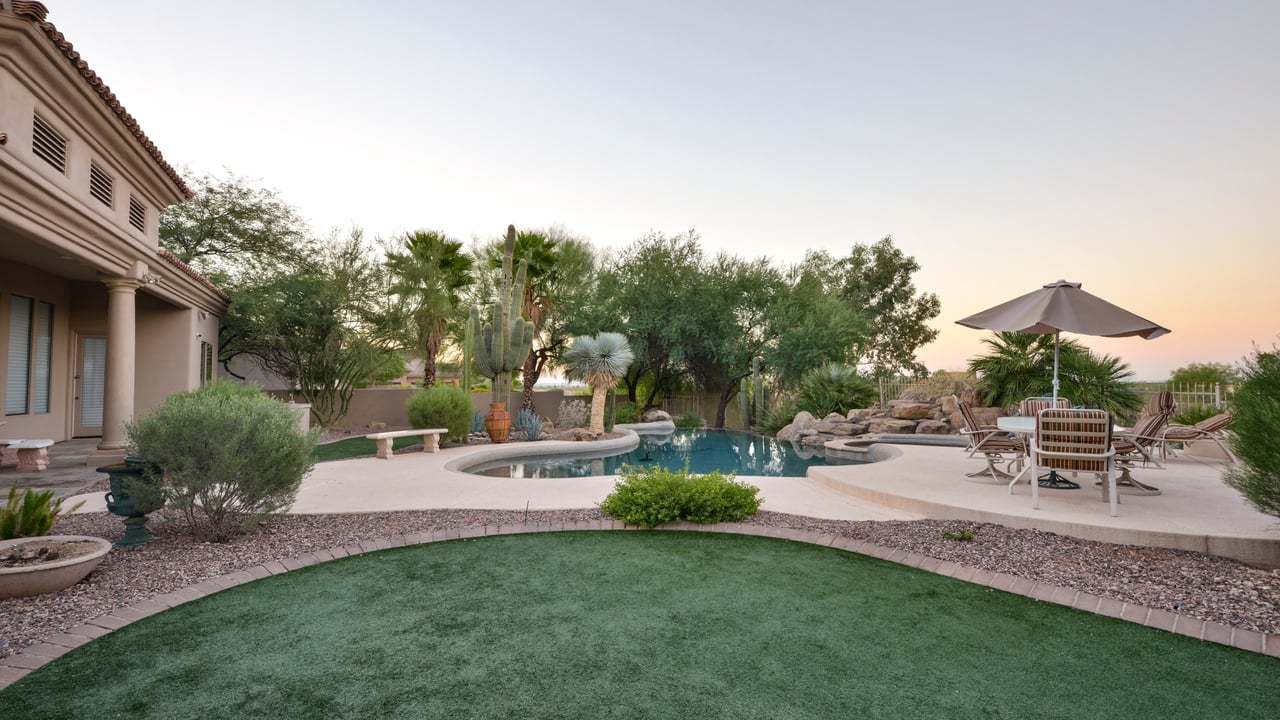
Buying a home is one of the biggest financial decisions you’ll ever make, and if you’re shopping in Phoenix, Arizona, there are several unique factors to consider before signing a contract.
Phoenix continues to attract homebuyers from across the country thanks to its strong job market, year-round sunshine, outdoor lifestyle, and relatively affordable housing compared to many major metropolitan areas. However, not all neighborhoods, communities, and properties are created equal.
Whether you’re a first-time buyer, relocating from another state, or investing in Arizona real estate, asking the right questions can help you avoid costly surprises and make a more informed decision.
Here are the most important questions to ask before buying a home in Phoenix.
1. Is This Neighborhood the Right Fit for My Lifestyle?
A home’s location can have a bigger impact on your daily life than the home itself.
Before making an offer, ask:
- How far is the commute to work?
- Are there quality schools nearby?
- What amenities are within walking distance?
- Is the area experiencing growth and development?
- How safe is the neighborhood?
- Are there parks, hiking trails, restaurants, and shopping centers nearby?
Phoenix is made up of diverse communities, each offering a different lifestyle. Areas such as North Phoenix, Arcadia, Ahwatukee, Chandler, Gilbert, Scottsdale, and Peoria all have unique characteristics that appeal to different types of buyers.
Spend time exploring the neighborhood during different times of the day to get a better sense of traffic patterns, noise levels, and community activity.
2. Is There a Homeowners Association (HOA)?
Many Phoenix-area communities are governed by homeowners associations.
While HOAs can help maintain neighborhood standards and property values, they may also come with restrictions and additional costs.
Questions to ask include:
- What are the monthly HOA fees?
- What do the fees cover?
- Are there special assessments planned?
- Are there restrictions on rentals?
- Are there limitations on exterior modifications?
- What are the rules regarding pets and parking?
Understanding HOA regulations before purchasing can prevent future frustrations and unexpected expenses.
3. How Old Is the Roof?
Phoenix’s intense sun and extreme summer temperatures can take a toll on roofing materials.
Ask:
- When was the roof installed?
- Has it been repaired or replaced recently?
- What roofing material was used?
- Is there any remaining warranty coverage?
A roof nearing the end of its lifespan could lead to significant replacement costs shortly after moving in.
A professional home inspection can provide valuable insight into the roof’s condition.
4. How Efficient Is the HVAC System?
In Phoenix, air conditioning isn’t a luxury—it’s a necessity.
Summer temperatures regularly exceed 100°F, making the HVAC system one of the most important features of a home.
Before purchasing, ask:
- How old is the HVAC unit?
- When was it last serviced?
- What is the average monthly energy bill?
- Has the system required major repairs?
An outdated air conditioning system could result in expensive repairs and high utility costs.
5. What Are the True Monthly Ownership Costs?
Many buyers focus solely on the mortgage payment and overlook additional expenses.
Ask for estimates regarding:
- Property taxes
- Homeowners insurance
- HOA fees
- Utility costs
- Maintenance expenses
- Landscaping costs
Understanding the full monthly cost of ownership will help ensure the home fits comfortably within your budget.
6. Has the Property Experienced Any Water Damage?
Although Phoenix is known for its dry climate, water damage can still occur.
Monsoon season can bring heavy rainfall, flash flooding, and drainage issues.
Questions to ask include:
- Has the property ever experienced flooding?
- Are there drainage concerns on the lot?
- Has water damage ever been repaired?
- Are there any signs of mold or moisture problems?
A thorough inspection can help uncover hidden issues before they become your responsibility.
7. What Does the Home Inspection Reveal?
Never skip a professional home inspection.
A qualified inspector can identify potential concerns that may not be visible during a showing.
Key areas to evaluate include:
- Foundation condition
- Electrical systems
- Plumbing systems
- Roof integrity
- HVAC performance
- Structural components
- Pest activity
The inspection report can also provide leverage during negotiations if repairs are needed.
8. How Old Are the Major Systems and Appliances?
Replacing major systems can quickly add thousands of dollars to your homeownership costs.
Ask about:
- Water heater age
- Plumbing updates
- Electrical upgrades
- Kitchen appliances
- Pool equipment (if applicable)
Knowing the expected lifespan of these components can help you plan for future maintenance and replacement costs.
9. Is the Home Energy Efficient?
With Arizona’s hot climate, energy efficiency can make a significant difference in monthly expenses.
Ask about:
- Dual-pane windows
- Insulation quality
- Solar panels
- Energy-efficient appliances
- Smart thermostats
An energy-efficient home can provide substantial savings over time while improving indoor comfort.
10. How Long Has the Home Been on the Market?
The amount of time a property has been listed can provide useful negotiating insight.
Questions to ask:
- Has the price been reduced?
- Have there been previous offers?
- Why are the sellers moving?
- Are the sellers motivated?
A property that has been on the market longer than average may present opportunities for negotiation.
11. Are There Any Planned Developments Nearby?
Future development can affect both property values and quality of life.
Research whether there are plans for:
- New commercial centers
- Road expansions
- Apartment complexes
- Schools
- Parks and recreation facilities
Future growth can be either a positive or negative factor depending on your goals.
12. What Is the Resale Potential?
Even if you plan to stay for many years, it’s wise to consider future resale value.
Look for factors such as:
- School district quality
- Neighborhood growth
- Nearby amenities
- Market demand
- Property condition
A home with strong resale potential can help protect your investment over the long term.
Final Thoughts
Buying a home in Phoenix, Arizona, is an exciting opportunity, but it pays to do your homework before making an offer. By asking the right questions about the property, neighborhood, HOA, inspections, utility costs, and future growth, you’ll be better prepared to make a confident and informed decision.
The more information you gather before closing, the fewer surprises you’ll encounter after moving in.
If you’re considering buying a home in Phoenix, working with a knowledgeable local real estate professional can help you navigate the market, identify potential concerns, and find the property that best fits your lifestyle and financial goals.