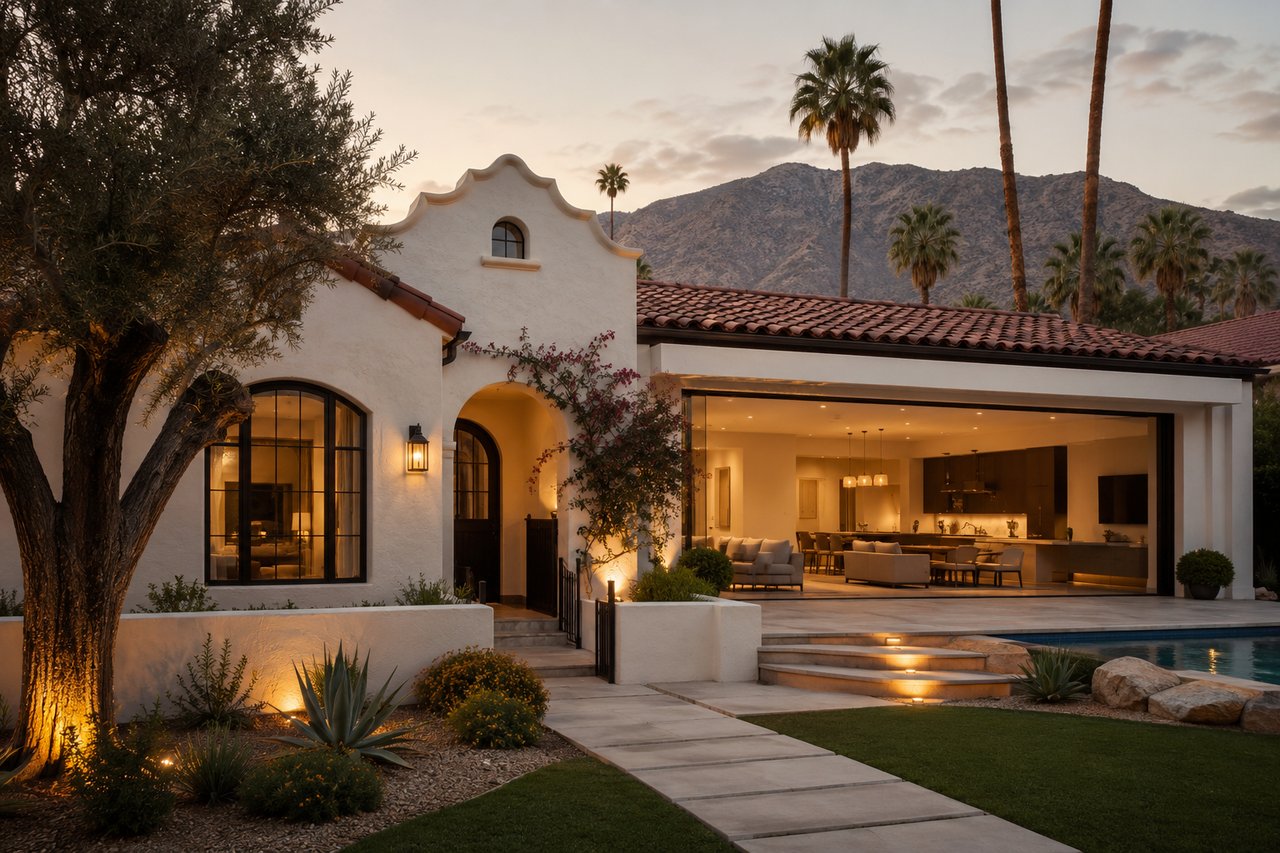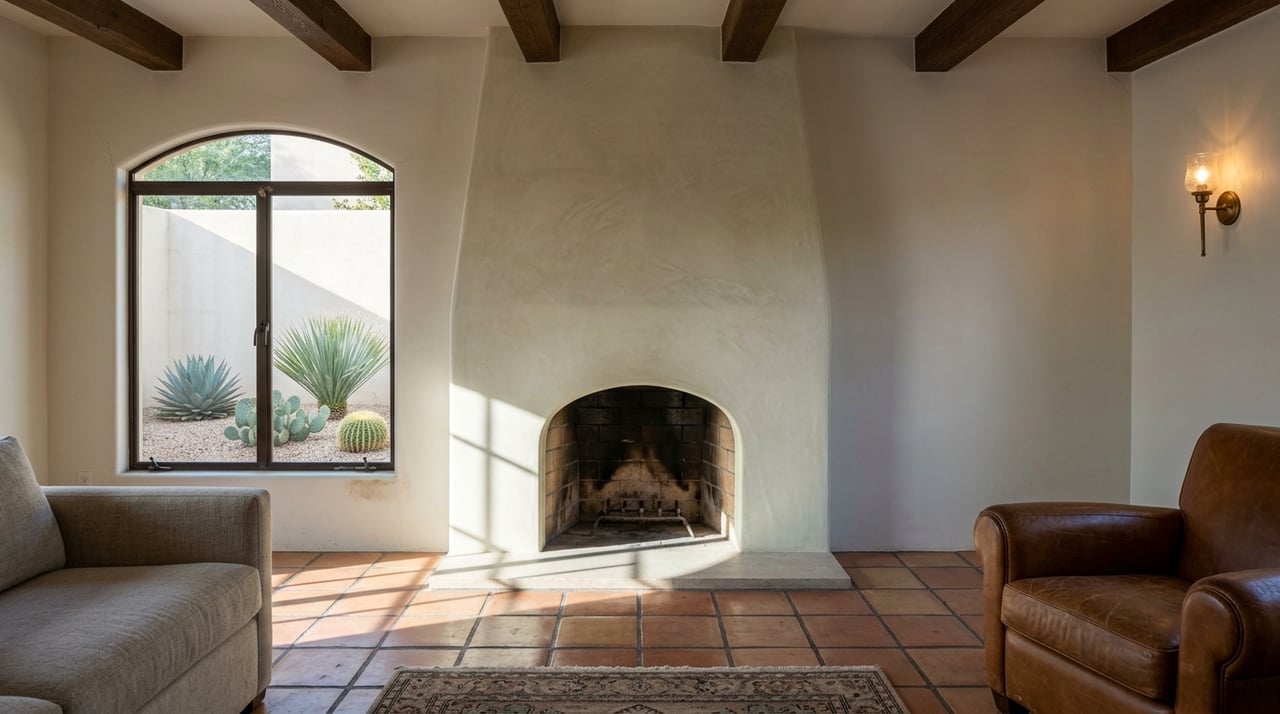
If you love the idea of owning a home with original character, mature streetscapes, and real architectural history, Phoenix’s historic districts can be incredibly appealing. They can also bring a very different buying and renovation process than a newer home, especially in and around 85003. This guide will help you understand what to look for, what approvals may apply, and how to plan a renovation with fewer surprises. Let’s dive in.
Why 85003 draws historic-home buyers
The 85003 core sits near some of Phoenix’s most recognized historic districts, where local historic designation is tied to the Phoenix Historic Property Register. As of January 2026, the city register includes 36 residential historic districts, 9 non-residential districts, and 242 individual properties. In central Phoenix, these districts cluster around key corridors including McDowell, Thomas, Roosevelt, Central, Seventh, and 19th avenues.
For many buyers, the appeal is simple. You get homes with architectural detail, established settings, and a strong sense of place close to the urban core. At the same time, buying in a local historic district means you should expect more due diligence before closing and more planning before making exterior changes.
Know the districts buyers mention most
Several districts come up often when buyers search for historic homes near 85003. According to the city’s district documentation, Encanto-Palmcroft, F.Q. Story, Willo, Roosevelt, and Garfield are among the key historic areas in and around central Phoenix.
Here is the quick context buyers should know:
- Encanto-Palmcroft is generally bounded by Seventh and 19th avenues and McDowell and Thomas roads, with a period of significance from 1927 to 1960.
- F.Q. Story is generally bounded by McDowell Road, Roosevelt Street, and Seventh and 17th avenues, with a period of significance from 1921 to 1942.
- Willo is generally bounded by First and Seventh avenues, McDowell Road, and the alley north of Edgemont Avenue, with a period of significance from 1910 to 1956.
- Roosevelt is generally bounded by McDowell Road, Fillmore Street, and Central and Seventh avenues, with a period of significance from 1895 to 1930.
- Garfield is generally bounded by Roosevelt, Van Buren, Seventh, and 16th streets, with a period of significance from 1883 to 1942.
That said, not every older home is historic in the regulatory sense. The city explains that to qualify for local or federal listing, properties generally must be at least 50 years old, historically significant, and retain historic integrity, according to the Historic Preservation FAQ.
Local district vs National Register
This is one of the most important distinctions to understand before you buy. In Phoenix, local historic district status means the property is subject to city historic review for certain exterior changes because it carries HP or HP-L overlay zoning through the local register.
The city states that listed properties are protected from demolition and adverse alterations through a special development review process and may be eligible for city incentives. By contrast, National Register status does not create the same local zoning protection in Phoenix, though it may open the door to state and federal incentives, as outlined on the Phoenix Historic Property Register page.
For you as a buyer, that means the words “historic home” can mean very different things depending on whether the property is on the city register, the National Register, or both.
What to inspect before you commit
Older homes often come with charm you cannot easily recreate, but they can also come with more expensive repair categories. A helpful clue comes from the city’s Exterior Rehabilitation Grant Program, which highlights the types of exterior issues owners commonly address.
Pay especially close attention to:
- Roof condition
- Foundation issues
- Structural reinforcement needs
- Exterior wall, masonry, or stucco repair
- Windows and doors
- Porches and steps
- Cornices and parapets
- Garages or carports
- Evidence of prior alterations that may need correction
This is not a substitute for professional inspections, but it is a practical way to think about common preservation-sensitive costs in 85003’s older housing stock.
Watch for lead and asbestos
If you are buying a home built before 1978, environmental due diligence matters. The EPA requires lead-based paint disclosure for most pre-1978 home sales, and paid renovation, repair, or painting projects that disturb lead paint in pre-1978 homes must be performed by lead-safe certified contractors.
Asbestos is another concern in older homes. If a material may contain asbestos, the EPA recommends sampling by a properly trained and accredited professional before the material is disturbed. If you are planning updates soon after closing, this step can help you avoid delays, change orders, and safety issues.
Ask for the property paper trail
In Phoenix historic districts, paperwork matters almost as much as the physical condition of the home. Before you close, ask for records that show what work has been done and whether it was properly reviewed.
Key documents to request include:
- Prior Certificates of Appropriateness
- Prior Certificates of No Effect
- Demolition approvals, if any
- Permit history for exterior work
- Any recorded conservation easement
- Confirmation of whether the property is on the Phoenix register, the National Register, or both
The city’s historic preservation FAQ explains that exterior changes in HP districts are reviewable, so a clean paper trail can save you from inheriting avoidable complications. It is also important to know if prior city grant-funded work triggered a conservation easement, since the grant program notes that some funded projects require one.
How renovation approvals work
If you are planning to renovate, the biggest adjustment is understanding what the city reviews and what it does not. Phoenix requires design review for exterior changes to properties on the historic register, and a Certificate of Appropriateness or Certificate of No Effect is required for building permit applications that affect the exterior of listed properties.
That review can also apply to infill construction and changes to non-historic properties within a historic district. Routine maintenance such as painting is excluded from review, and interior work that does not affect the exterior does not require Historic Preservation Office review.
For most buyers, the practical sequence looks like this:
- Confirm whether the property is locally listed.
- Review prior approvals and permit history.
- Discuss your renovation scope before finalizing plans.
- Determine whether your project may qualify for a Certificate of No Effect or needs a Certificate of Appropriateness.
- Build extra lead time into your schedule for review.
According to the city FAQ, minor work may sometimes receive over-the-counter approval, while more visible or complex projects usually need a fuller review and a pre-application meeting.
Phoenix favors a preservation-first approach
Phoenix’s General Design Guidelines are based on the Secretary of the Interior’s Standards. In plain terms, the city’s philosophy is to retain and preserve character-defining features rather than replace them by default.
That can affect renovation choices in a big way. The city does not regulate paint colors, but it discourages painting masonry that was never painted and warns against abrasive removal methods such as sandblasting. If you are budgeting a cosmetic overhaul, those rules of thumb matter because the easiest-looking solution is not always the most preservation-compatible one.
Historic windows deserve special attention
Windows are often one of the first things buyers want to change, especially in Phoenix heat. But the city’s guidance encourages owners to start with repair, weatherization, blinds or shades, window film, or thicker glass in existing frames before assuming full replacement is the best answer, as explained on the city’s energy efficiency guidance for historic properties.
Phoenix also notes that APS and SRP residential customers can access a $99 energy audit to help prioritize upgrades. The same guidance points owners toward duct sealing, efficient heat pumps, insulation, and water-heater improvements as common ways to improve efficiency without losing historic character.
The city’s window guide also explains that stand-alone replacement may no longer require a city building permit or formal Historic Preservation Office review if certain conditions are met. Even so, owners are encouraged to follow the guide, and state tax program participants may need SHPO review before work begins.
Additions and tear-downs face more scrutiny
If your plan includes expanding the home, adding a garage structure, or removing part of a building, expect a closer look. The city says new additions and new construction attached to or adjacent to historic properties are judged for compatibility with the historic character of the building and district.
Demolition is also reviewed within listed districts, and demolition of contributing properties can be delayed while alternatives are considered, according to the General Design Guidelines. For buyers considering a major repositioning project, that is a critical factor to understand before you close.
Grants and tax incentives to know
Historic-home ownership can involve more planning, but there are financial programs worth exploring. Phoenix’s Exterior Rehabilitation Grant Program reimburses owners on a 50/50 matching basis, with grants from $5,000 to $20,000 per project for eligible exterior work.
Covered categories can include roofs, foundations, structural stabilization, masonry, windows and doors, porches, parapets, garages, and reversal of inappropriate alterations. The program is competitive, exterior-only, and tied to a conservation easement, so it should be viewed as a potential offset rather than guaranteed funding.
At the state level, Arizona offers an owner-occupied State Historic Property Tax program for qualifying homes listed on the National Register individually or as a contributor to a historic district. The program uses a 15-year agreement and reduces the residential assessment ratio from 10 percent to 5 percent. The state says the tax reduction is often about 35 to 45 percent depending on local special assessments.
If you are buying for income use rather than as your primary residence, Arizona also explains the federal 20 percent Historic Tax Credit applies only to income-producing properties that are National Register listed or eligible. It does not apply to owner-occupied homes.
The long-term value question
Many buyers ask whether the extra oversight is worth it. A 2021 PlaceEconomics study for Phoenix found that homes in local historic districts had higher values per square foot than homes elsewhere in Phoenix and that those values increased faster between 2016 and 2021.
That does not eliminate the need for careful underwriting, inspections, and renovation planning. It does suggest that in Phoenix, historic districts have shown measurable value support over time. In a market like 85003, that combination of central location, architectural character, and preservation framework is part of what keeps buyer interest strong.
A smart way to approach the purchase
If you are buying and renovating in one of Phoenix’s historic districts, the goal is not to avoid complexity. It is to understand it early. The best outcomes usually come from lining up the right due diligence, knowing what the city may review, and building a renovation plan that respects both the home and your budget.
At Sacha Blanchet Fine Homes, we help buyers and investors evaluate opportunity, risk, and renovation potential with a high-touch, practical approach. If you are exploring a historic home in central Phoenix and want a clear strategy before you buy, reach out for a consultation.
FAQs
What makes a home historic in Phoenix?
- In Phoenix, a home generally must be at least 50 years old, historically significant, and retain historic integrity to qualify for local or federal listing.
What does local historic district status mean for a Phoenix buyer?
- Local historic district status in Phoenix usually means the property is subject to city review for certain exterior changes because it carries HP or HP-L overlay zoning.
What renovation work needs approval in a Phoenix historic district?
- Exterior work affecting a listed property may require a Certificate of Appropriateness or Certificate of No Effect, while routine maintenance and interior-only work that does not affect the exterior generally do not require Historic Preservation Office review.
What records should you request before buying a historic home in 85003?
- You should ask for prior historic approvals, permit history, demolition approvals if any, any conservation easement, and confirmation of whether the property is listed locally, nationally, or both.
Are there grants for renovating historic homes in Phoenix?
- Phoenix offers a competitive exterior rehabilitation grant program with 50/50 matching funds from $5,000 to $20,000 for eligible exterior work on qualifying historic homes.
Can owner-occupants get a tax break for a historic home in Arizona?
- Yes, qualifying owner-occupied homes listed on the National Register may be eligible for Arizona’s State Historic Property Tax program, which can reduce the assessment ratio and lower property taxes.
Are historic homes in Phoenix a good long-term investment?
- A PlaceEconomics study for Phoenix found that homes in local historic districts had higher values per square foot and faster value growth from 2016 to 2021 than homes elsewhere in the city.