Thinking about a home you can secure, lock, and forget while you travel or split time between cities? If low maintenance and peace of mind top your list, a lock-and-leave condo in Biltmore’s 85016 can be a great fit. You get a central Phoenix location, strong amenities, and building support that makes ownership simpler. In this guide, you’ll learn what lock-and-leave living really means in Biltmore, what to verify with any HOA, and how to navigate inspections, financing, and day-to-day ownership. Let’s dive in.
Lock-and-leave defined for Biltmore buyers
A lock-and-leave property is designed so you can step away for weeks or months with minimal worry. Exterior maintenance, common areas, and many building systems are handled by the association or building management. Secure entries, professional management, and amenities like package handling and monitored access support an easy come-and-go lifestyle.
In Biltmore’s 85016, this setup attracts frequent travelers, seasonal residents, busy professionals, downsizers, second-home buyers, and investors who want a lighter management load. You will find options that range from low-rise garden condos to mid-rise and high-rise buildings, plus some gated townhome communities. Your fit often comes down to the tradeoff between robust staffing and security versus lower monthly HOA fees.
Condo types and amenities that matter
Low-rise vs. mid and high-rise
Low-rise buildings and garden-style condos often come with smaller associations and lower monthly dues. Mid and high-rise properties tend to offer more robust security features, elevators, and staff support. Think about your priorities. If you travel often, staffed security and on-site management can be worth a higher monthly fee.
Amenities that support absence
For lock-and-leave living, look for features that reduce risk while you are away. Helpful amenities include coded or staffed building entries, concierge or package services, surveillance in common areas, and clear policies for access in emergencies. Covered parking and storage are convenient. In-unit laundry is a time-saver when you land back in Phoenix.
Budgeting for HOA dues
Monthly dues vary based on staffing, amenities, and what the association covers. Some buildings include water, cable, or gas and maintain strong reserves for capital projects. Others keep fees lower but rely on special assessments when major work is needed. Match your budget with your service expectations so surprises are less likely later.
Location and lifestyle in 85016
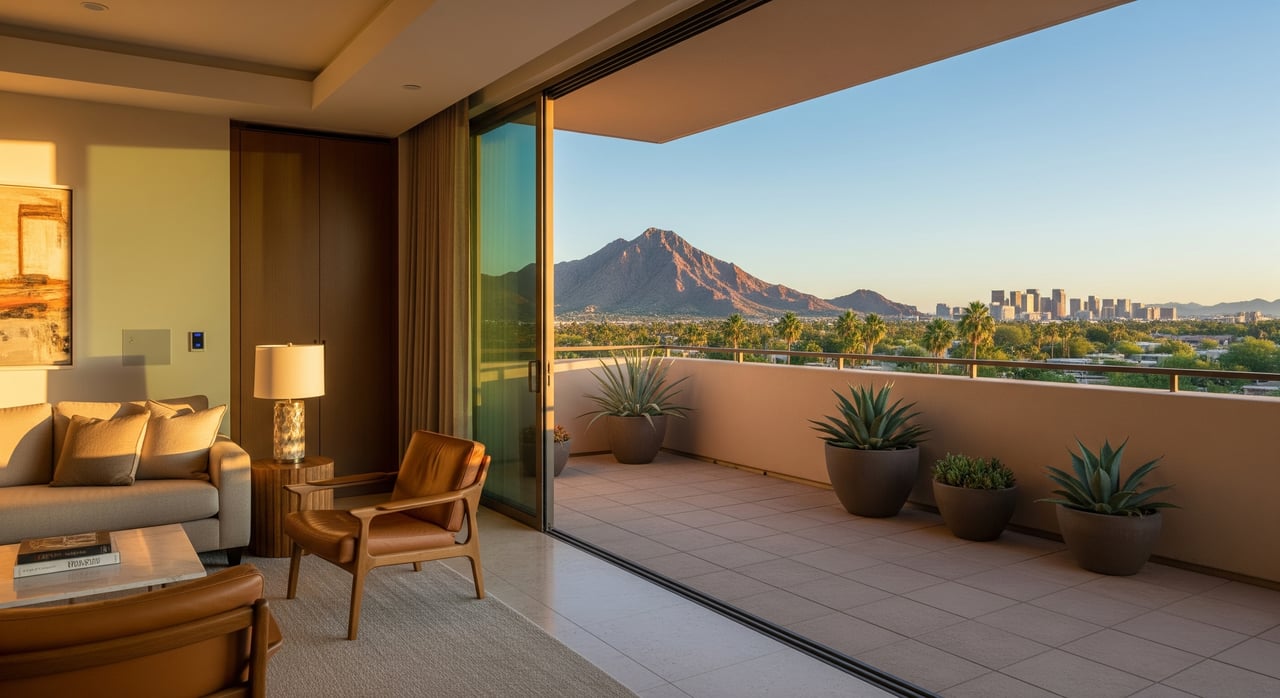
Biltmore puts you close to dining, shopping, and services, with walkable access to Biltmore Fashion Park and the Camelback Corridor. You are also central to major roadways and everyday amenities in Phoenix. For lock-and-leave owners, this location offers both convenience and lifestyle flexibility.
Phoenix also draws strong seasonal demand in the winter months. If rental income is part of your plan, that seasonal pull can be appealing. Be sure to confirm City of Phoenix rules for short-term rentals and your HOA’s rental policies before you buy. Some associations allow long-term leases only. Others restrict short stays or require registration and taxes through the city.
HOA due diligence that protects you
Your HOA review is just as important as your unit inspection. Request these documents early so you can make an informed decision:
- CC&Rs, bylaws, and rules and regulations
- Current budget and monthly assessment amount
- Most recent reserve study and recommendations
- Board meeting minutes from the past 12 to 36 months
- Insurance summary for the master policy and declarations
- Any disclosures on pending litigation or special assessments
- Management contract details and staffing/security overview
- Rental policy, short-term rental restrictions, and any permits required
- Parking and storage assignment rules, pet policy, and moving procedures
Financial health and reserves
Healthy reserves help avoid sudden special assessments. Compare dues to similar buildings and see what they cover. Look for evidence of recent or upcoming work on roofs, elevators, stucco, decks, and building systems. Big projects without funding plans often lead to fee hikes or assessments.
Security and staffing policies
Ask how building access works and what security systems are in place. Clarify whether there is an on-site manager, a third-party management company, or part-time staff. Confirm how maintenance requests are handled for absent owners and who can enter your unit in an emergency.
Rental and occupancy rules
If you plan to rent the condo, review all rental policies and occupancy limits. Confirm long-term vs. short-term allowances, registration or permit requirements, and any investor caps that limit how many units can be rented in the building.
Inspection and insurance essentials
Lock-and-leave buyers need a condo-experienced inspector. Your unit inspection focuses on interior systems while many exterior and common elements fall under the HOA.
What to inspect in a condo
Clarify what lies within the unit boundaries versus common elements that your inspector will not open or test. Ask about building envelope history and any past water intrusion, including window and door flashing and balcony conditions. Review known maintenance issues or claims mentioned in HOA minutes.
HVAC and building systems
In Phoenix, cooling performance is critical. Evaluate the age and condition of the AC, ductwork, and service history. In mid and high-rise buildings, ask about elevator maintenance, plumbing risers, boiler or heating systems if present, and fire suppression or sprinklers. For older projects, consider a reserve study review by an engineer.
Insurance that actually fits the risk
You will need an HO-6 condo policy to cover interior improvements, personal property, loss of use, and liability. Ask if the master policy is bare walls-in or all-in and what the deductibles are for claims. Some master policies have large deductibles charged to unit owners. If you plan extended travel, confirm vacancy rules in your HO-6. Consider optional coverage for identity theft, umbrella liability if you plan to rent, and flood insurance if maps show risk.
Financing and project approvals
If you need a mortgage, confirm condo project eligibility with your lender early. Many lenders require certain owner-occupancy ratios, acceptable reserve levels, and no significant litigation. FHA, VA, Fannie Mae, and Freddie Mac have project criteria that can impact your loan options. Cash buyers have more flexibility, but project health still affects resale and rental potential.
Ask your lender how occupancy status and rental plans affect loan terms. Investor caps and rental restrictions can also reduce your future buyer pool, which can matter when you sell. Title review should include recorded CC&R amendments and any liens against the association that could complicate underwriting.
Pros, cons, and red flags
Why buyers choose lock-and-leave
- Low exterior maintenance and simplified ownership
- Security features that support travel and part-time use
- Central location near shopping, dining, and services
- Amenities like pools, fitness centers, and concierge support
- Potential winter and weekend rental demand if rules allow
Tradeoffs to consider
- HOA fees can be significant and may increase over time
- Less control over exterior appearance and vendor selection
- Potential for special assessments or litigation to impact costs
- Rules on pets, guests, parking, and rentals may limit flexibility
Red flags during due diligence
- Low or shrinking reserves with no plan for future projects
- Ongoing or recent HOA litigation, or frequent emergency assessments
- Master insurance gaps or large deductibles pushed to owners
- Inconsistent management or no clear plan for security and packages
- Complex rental restrictions that limit financing and resale
Practical living tips for a smooth lock-and-leave
- Choose a trusted local contact, neighbor, or house-watch service
- Set up automatic payments for HOA dues and utilities
- Service HVAC before long absences and set a reasonable thermostat
- Use smart locks, leak sensors, and a video doorbell within HOA rules
- Register emergency contacts with management and keep key rules handy
A quick buyer checklist
- Confirm HOA rental, guest, parking, and pet rules
- Review CC&Rs, bylaws, minutes, financials, reserve study, insurance summary
- Ask about upcoming capital projects, funding plans, and management arrangements
- Verify amenities and services included in monthly dues
- Confirm master policy coverage and your potential deductible exposure
- Hire a condo-experienced inspector and review any building maintenance issues
- Check lender project requirements early if you plan to finance
- Verify any city permits or taxes required if you plan short-term rentals
- Arrange local check-ins and set up monitored leak and entry sensors
- Confirm utility providers and typical seasonal costs, especially for cooling
Your next step in Biltmore
If a lock-and-leave lifestyle is your goal, the right guidance makes all the difference. With top-tier market reach, proven negotiation power, and in-house operations that support investors and second-home owners, our team helps you choose the building, read the HOA, and plan for smooth ownership. Sacha Blanchet Fine Homes pairs Coldwell Banker Global Luxury marketing with practical, hospitality-grade operations, including experience across nearly 70 short-term rentals. We work with local and international clients and can support you in English, French, or Spanish. Ready to explore the best lock-and-leave condos in Biltmore? Contact Sacha Blanchet Fine Homes to get started.
FAQs
What does “lock-and-leave” mean for a Biltmore condo buyer?
- It means the association handles exterior maintenance and common areas, with security and building support that allow you to leave for extended periods with minimal tasks.
Who benefits most from lock-and-leave condos in 85016?
- Frequent travelers, seasonal residents, busy professionals, downsizers, second-home buyers, and investors who want low maintenance and reliable building support.
What HOA documents should I review before buying in 85016?
- Ask for CC&Rs, bylaws, rules, budget, reserve study, meeting minutes, insurance summary, litigation or special assessment disclosures, rental policies, and parking and pet rules.
How do HOA reserves affect my risk as an owner?
- Strong reserves reduce the chance of special assessments and fee spikes, while weak reserves raise the risk of surprise costs for capital projects like roofs or elevators.
What should a condo inspection cover for Biltmore properties?
- Interior systems and finishes, plus a review of water intrusion history, HVAC age and service, and any known issues in minutes or reserve studies for building systems like elevators.
How do rentals work for Biltmore condos?
- Rules vary by building. Confirm whether short-term rentals are allowed, registration or taxes required by the city, and any investor caps that limit the number of rentable units.
What insurance do I need for a lock-and-leave condo?
- An HO-6 policy for interior coverage, personal property, liability, and loss of use, plus clarity on master policy deductibles and any vacancy limits while you travel.
Why verify project approval with my lender early?
- Lenders often require project eligibility on owner-occupancy, reserves, and litigation. Early checks help you avoid financing delays and keep your options open.