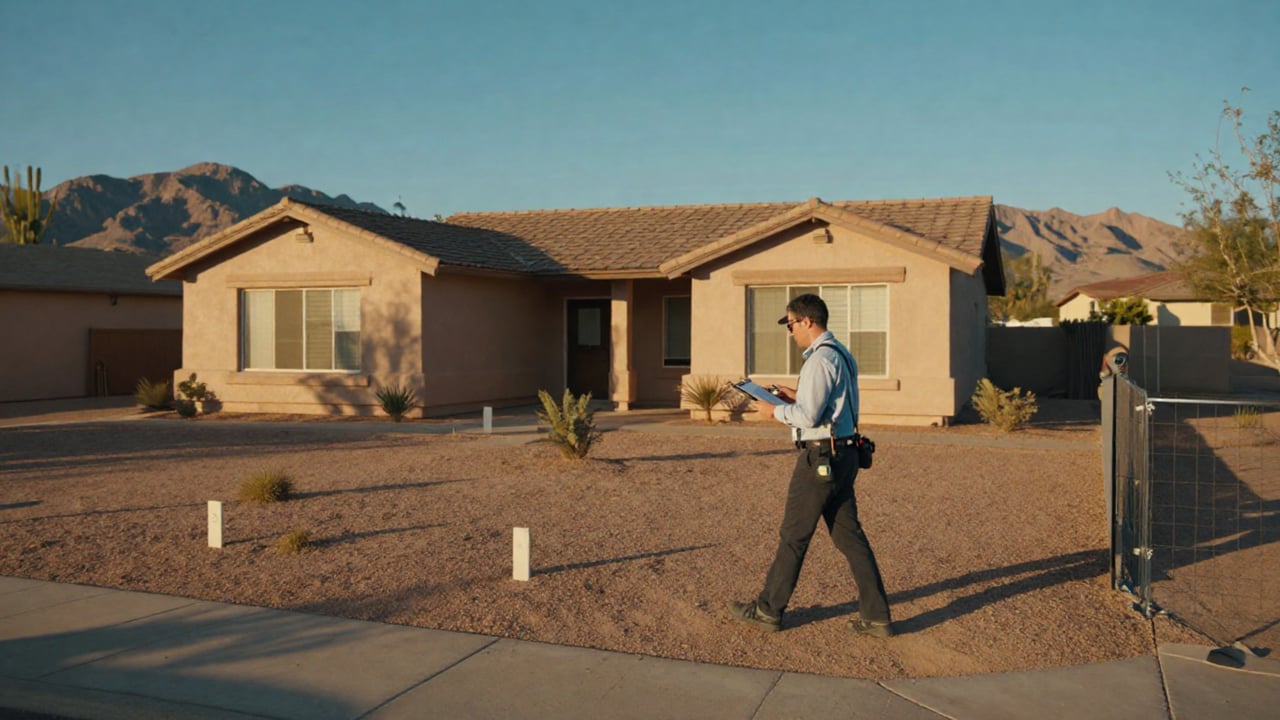
Stepping into the real estate market as a first-time homebuyer is an exhilarating milestone. It represents the transition from renting to owning—a strategic move to build long-term financial equity and establish your own private sanctuary. During the excitement of touring homes, analyzing architectural styles, and negotiating offers, it is easy to get caught up in the visible features of the property.
However, one of the most critical steps in safeguarding your investment involves looking at the land beneath the structure.
Many first-time buyers assume that a standard home inspection covers everything they need to know. While an inspector evaluates the physical condition of the house, they do not verify the legal boundaries of the land it sits on. That is the job of a professional property survey. Understanding property surveys is essential to avoiding costly legal battles, boundary disputes, and structural surprises down the road.
1. What Exactly Is a Property Survey?
A property survey is a highly precise legal document prepared by a licensed professional land surveyor. Using specialized equipment, historical deed research, and mathematical calculations, the surveyor maps out the exact, legally binding dimensions of the land you are purchasing.
-
The Blueprint: A survey identifies the physical location of your land's boundaries, corners, and total acreage. It matches the legal description written in the property deed with the reality on the ground.
-
The Misconception: First-time buyers often think a fence line or a manicured lawn represents the true boundary of a property. In reality, fences are frequently installed incorrectly, sometimes encroaching inches or even feet onto a neighboring parcel. A survey provides the objective truth.
2. Setting Boundaries: Why a Survey Is Your Legal Shield
When you purchase a piece of real estate, you aren't just buying a house; you are purchasing a specific geometric parcel of land. A professional survey identifies potential vulnerabilities before you finalize the transaction.
-
Encroachments: An encroachment occurs when a physical structure from a neighboring property crosses over your legal property line—or vice versa. This could be a neighbor's newly paved driveway, a detached shed, a retaining wall, or a roof overhang. Finding out about an encroachment after you buy can lead to immediate friction with your new neighbors or forced structural removals.
-
Easements: An easement is a legal right granted to another entity to use a portion of your land for a specific purpose. This could include utility companies running power lines through your backyard, or a shared driveway easement allowing a neighbor access to their home. A survey maps these zones out explicitly so you know exactly where you can and cannot build.
3. The Structural Landscape: Planning for Future Upgrades
Even if you have no immediate plans to renovate, buying a home with future flexibility in mind is a core part of protecting your property's long-term value. A survey acts as your structural roadmap for any outdoor additions.
-
Zoning and Setbacks: Local municipalities enforce strict "setback" laws, which dictate how close a structure can be to the property line. If you ever want to install a swimming pool, build a detached home office, put up a privacy fence, or add a garage extension, you will be required to submit an official property survey to the city to secure a building permit.
-
Preventing Future Violations: If you build a structure that violates local setback rules or crosses an unmapped easement, the city can legally force you to tear it down at your own expense. Reviewing a survey before closing ensures your home has the spatial capacity to grow alongside your lifestyle.
4. Lender Requirements and Title Insurance Protection
For most first-time buyers, purchasing a home requires securing a mortgage. Financial institutions are highly risk-averse; they want to ensure the asset securing the loan matches the exact description on the loan paperwork.
-
Lender Mandates: Depending on the state, the loan type, and the age of the last recorded survey, many mortgage lenders will mandate a new property survey as a non-negotiable condition of loan approval.
-
Title Insurance Clearances: During the closing process, a title company will search the property's history to ensure there are no hidden liens or ownership disputes. Title insurance protects you from future claims against your land. However, standard title policies often exclude boundary disputes unless an updated property survey was completed at the time of purchase. A clean survey unlocks full, comprehensive title protection.
5. The Different Types of Surveys to Consider
Not all surveys serve the same purpose. Depending on the property layout and your future goals, your real estate advisor might suggest a specific variant:
-
Boundary Survey: The most common type for residential transactions. It identifies the exact property lines and places permanent physical markers (usually iron pins or stakes) at the corners of the lot.
-
Location/Improvement Survey: Similar to a boundary survey, but it explicitly maps out all physical improvements made to the land—including the main house, driveways, patios, and secondary structures—in relation to the boundary lines.
-
Topographic Survey: If you are purchasing a property on a steep slope, near a mountain preserve, or in an area prone to water runoff, a topographic survey maps the elevation, contours, and physical features of the land to analyze drainage patterns.
Engineering a Flawless Investment
Purchasing your first home is an exercise in precise coordination. While a property survey may seem like just another item on a lengthy closing checklist, it is actually one of the most powerful tools you have to protect your financial equity and preserve the absolute quietude of your new home. It removes the guesswork from land ownership, ensuring that the sanctuary you are building stands on an uncompromisable foundation.
Are you navigating your first home purchase? Partner with an experienced real estate advisor who understands how to analyze title documents and schedule the right property logistics to protect your legacy from day one. 🥂⚓