For many homebuyers, the idea of purchasing a fixer-upper is exciting. The possibility of buying a home at a lower price, customizing it to your taste, and potentially building equity through renovations can make fixer-uppers seem like an attractive investment.
Popular home renovation shows often make the process look simple and profitable. However, the reality is that purchasing a fixer-upper comes with both opportunities and risks.
Before making an offer on a property that needs work, it's important to understand what you're getting into. While some buyers successfully transform outdated homes into dream properties, others encounter unexpected expenses, delays, and challenges that quickly exceed their budgets.
If you're considering buying a fixer-upper, here's a closer look at the pros and cons to help determine whether it's the right choice for you.
What Is a Fixer-Upper?
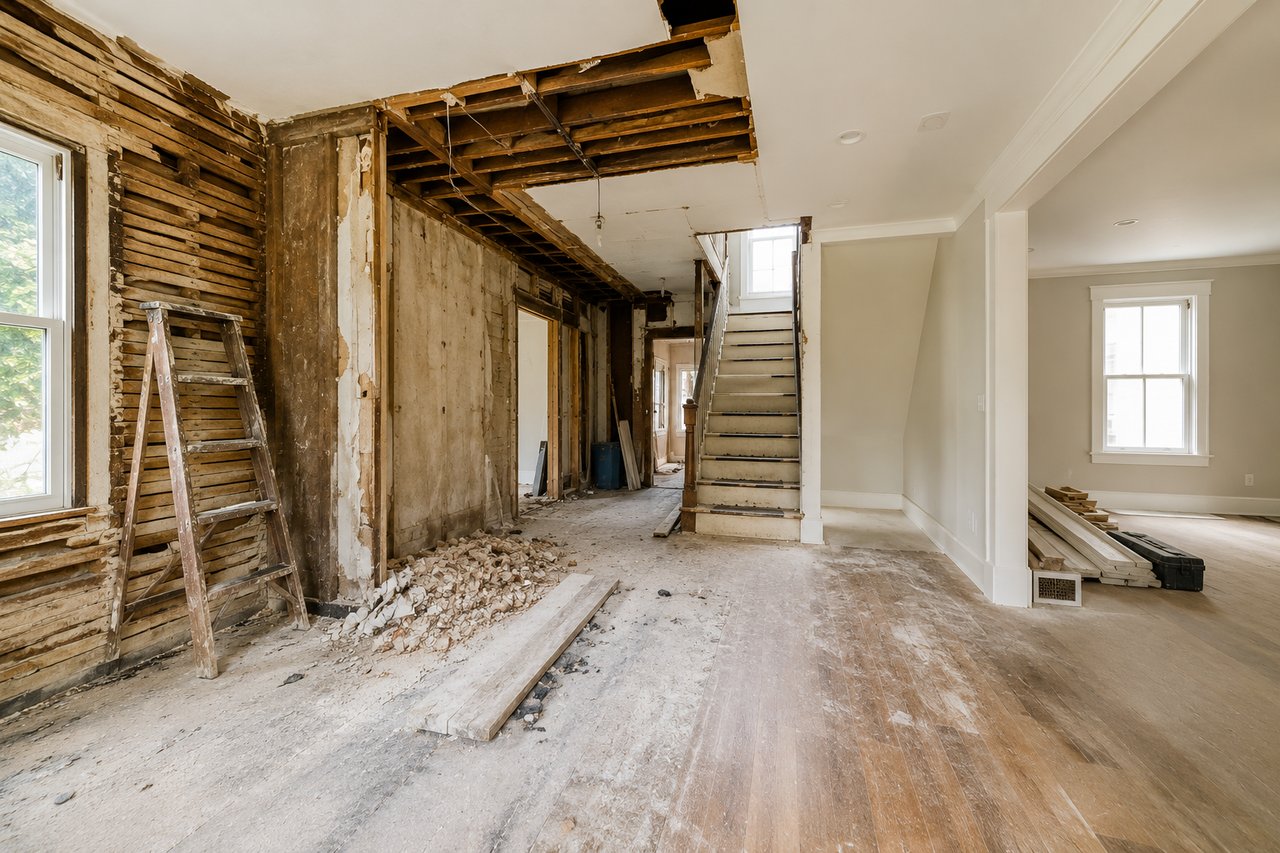
A fixer-upper is a property that requires repairs, updates, or renovations before it reaches its full potential.
The level of work needed can vary significantly.
Some fixer-uppers may only require cosmetic updates such as:
-
Fresh paint
-
New flooring
-
Updated fixtures
-
Landscaping improvements
Others may need more extensive renovations, including:
-
Roof replacement
-
Plumbing upgrades
-
Electrical repairs
-
Foundation work
-
Structural improvements
The more work required, the greater the potential risks and rewards.
The Pros of Buying a Fixer-Upper
1. Lower Purchase Price
One of the biggest advantages of buying a fixer-upper is the opportunity to purchase a home below the price of comparable move-in-ready properties.
Because many buyers prefer turnkey homes, fixer-uppers often attract less competition.
This may allow buyers to:
-
Purchase in desirable neighborhoods
-
Access larger homes
-
Obtain more land
-
Stay within budget
For buyers priced out of certain areas, a fixer-upper may provide an affordable entry point.
2. Potential for Increased Equity
When renovations increase a home's value, homeowners can potentially build equity more quickly.
For example:
If you purchase a home for $300,000 and invest $40,000 in improvements that increase the home's value to $400,000, you've created additional equity through strategic upgrades.
While not every renovation produces a positive return, thoughtful improvements can significantly boost a property's market value.
3. Customization Opportunities
Buying a fixer-upper gives homeowners the chance to personalize the property from the start.
Rather than paying extra for someone else's design choices, you can create a home that matches your preferences.
Potential customization options include:
-
Kitchen layouts
-
Flooring selections
-
Paint colors
-
Lighting fixtures
-
Bathroom designs
-
Outdoor spaces
This flexibility can make the home feel uniquely yours.
4. Less Buyer Competition
Move-in-ready homes often attract multiple offers, especially in competitive markets.
Fixer-uppers typically appeal to a smaller group of buyers willing to take on renovation projects.
As a result, buyers may experience:
-
Less competition
-
Greater negotiating power
-
More favorable purchase terms
This can be particularly beneficial during periods of low housing inventory.
5. Investment Potential
For investors, fixer-uppers can present opportunities to increase value through renovations.
Common strategies include:
-
Renovate and resell ("fix and flip")
-
Renovate and rent
-
Improve and hold long-term
When executed properly, these approaches can generate strong returns.
The Cons of Buying a Fixer-Upper
1. Unexpected Renovation Costs
One of the biggest risks associated with fixer-uppers is discovering hidden problems after closing.
Common surprises include:
-
Plumbing issues
-
Electrical deficiencies
-
Water damage
-
Mold
-
Foundation problems
-
Pest damage
Even thorough inspections may not uncover every issue.
Many renovation projects end up costing more than originally estimated.
For this reason, experts often recommend setting aside a contingency fund for unexpected expenses.
2. Renovation Delays
Home improvement projects rarely go exactly according to schedule.
Delays can result from:
-
Material shortages
-
Permit approvals
-
Contractor availability
-
Weather conditions
-
Unexpected repairs
What begins as a three-month project may end up taking six months or longer.
Buyers should be prepared for flexibility and patience throughout the renovation process.
3. Financing Can Be More Complicated
Not all fixer-uppers qualify for traditional mortgage financing.
If the property has significant issues, lenders may require specialized loan programs.
Potential financing options may include:
-
Renovation loans
-
Construction loans
-
FHA 203(k) loans
-
HomeStyle Renovation loans
These programs can be beneficial but often involve additional paperwork and requirements.
4. Living Through Renovations
If you plan to occupy the home while renovations are underway, daily life can become challenging.
You may experience:
-
Noise
-
Dust
-
Limited access to rooms
-
Temporary loss of utilities
-
Ongoing contractor activity
Some buyers choose to live elsewhere during major renovations, which can increase overall costs.
5. Renovations May Not Add As Much Value As Expected
Not every project generates a strong return on investment.
Some homeowners over-improve properties relative to the neighborhood, making it difficult to recover renovation costs when selling.
Before investing heavily in upgrades, it's important to understand local market conditions and buyer expectations.
Key Questions to Ask Before Buying a Fixer-Upper
Before moving forward, consider the following questions:
How Much Work Does the Home Need?
Distinguish between cosmetic updates and major structural repairs.
What's My Total Budget?
Calculate:
-
Purchase price
-
Renovation costs
-
Closing costs
-
Temporary housing expenses
-
Emergency reserves
Do I Have Time for Renovations?
Managing a renovation requires time, planning, and decision-making.
Am I Comfortable With Risk?
Unexpected issues are common in renovation projects.
Buyers should be prepared both financially and emotionally.
What Is My End Goal?
Your strategy may differ depending on whether you're:
-
Creating a primary residence
-
Purchasing a vacation home
-
Investing for rental income
-
Flipping the property
Clearly defining your objectives can guide better decisions.
When a Fixer-Upper May Be a Good Choice
Buying a fixer-upper may make sense if:
-
You're comfortable managing renovation projects.
-
You have access to reliable contractors.
-
You have sufficient savings beyond the purchase price.
-
You want to customize your home.
-
You're seeking opportunities to build equity.
In the right situation, a fixer-upper can be a rewarding investment.
When a Move-In Ready Home May Be Better
A turnkey property may be a better fit if:
-
You prefer convenience.
-
You have a limited renovation budget.
-
You need a home immediately.
-
You have little flexibility for unexpected costs.
-
You want to avoid construction-related stress.
There's no right or wrong choice—only the option that best aligns with your goals and lifestyle.
Final Thoughts
Buying a fixer-upper can be an excellent opportunity to create your dream home, build equity, and potentially save money compared to purchasing a fully renovated property.
However, it's important to approach the process with realistic expectations. Renovations often take longer, cost more, and require greater involvement than many buyers initially anticipate.
By carefully evaluating the property's condition, understanding renovation costs, and maintaining a financial cushion for unexpected surprises, you can determine whether a fixer-upper is the right investment for your situation.
For buyers willing to embrace the challenges, a fixer-upper may offer one of the most rewarding paths to homeownership and long-term value.